How Much Does New Siding Cost in Seattle in 2026?
When homeowners think about maintaining or upgrading the exterior of their home, siding is often the most impactful—and one of the most complex—investments. In Seattle and the greater Pacific Northwest, siding plays a critical role in protecting the home from persistent moisture, seasonal temperature changes, and long-term exposure to the elements.
Understanding siding costs is not just about choosing a material. Installation quality, labor rates, moisture detailing, and the condition of the existing exterior all significantly affect the total investment. This guide breaks down current 2026 siding costs in Seattle, explains what drives pricing differences, and helps homeowners set realistic expectations before starting a siding project.
Average Cost to Re-Side a Home in Seattle
Siding replacement costs in Seattle can range widely depending on material choice and project complexity. Entry-level options may start in the low five figures, while premium materials and full exterior envelope upgrades can reach significantly higher.
Seattle-area pricing reflects:
-
Higher labor costs
-
Stricter building requirements
-
Moisture management best practices
-
Longer installation timelines due to weather
Siding Costs by Material (Seattle, 2026)
Below are ballpark cost ranges for common siding materials in the Seattle market. We show materials-only pricing and a typical installed range (materials + labor). Final pricing depends on tear-off, substrate repairs, WRB/rainscreen, flashing, access, and detailing.
Lower to Moderate Cost (Lower Maintenance)
Vinyl siding
-
Materials: $2.40–$8.40 per sq ft
-
Installed: $7.40–$18.40 per sq ft
Affordable and low maintenance, but can be less ideal for high-moisture detailing and certain architectural styles.
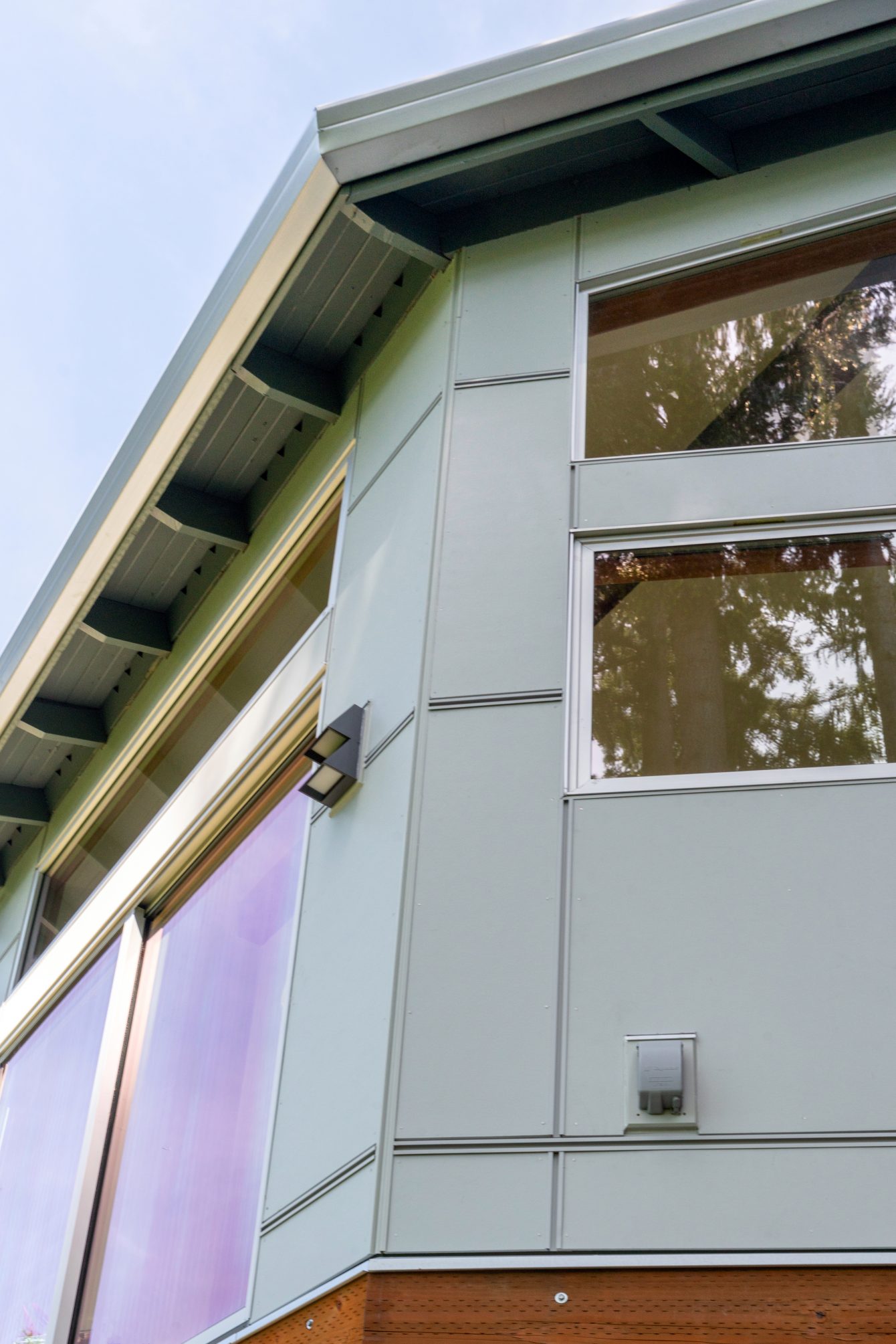
Fiber cement siding (e.g., James Hardie)
-
Materials: $1.20–$7.50 per sq ft
-
Installed: $6.20–$17.50 per sq ft
One of the most popular Seattle choices for durability, moisture resistance, and design versatility.
Steel / metal siding
-
Materials: $3.60–$12.00 per sq ft
-
Installed: $8.60–$24.00 per sq ft
Great for modern designs and wet climates when paired with proper WRB/rainscreen detailing.
Moderate to Premium Options
Natural wood siding
-
Materials: $3.90–$35.00 per sq ft
-
Installed: $8.90–$47.00 per sq ft
Beautiful and traditional; maintenance requirements vary by species, finish, and exposure.
Engineered wood siding
-
Materials: $13.20–$40.00 per sq ft
-
Installed: $18.20–$52.00 per sq ft
A wood-forward look with improved stability; requires careful wet-climate detailing.
Stone veneer (accent or full)
-
Materials: $24–$60 per sq ft
-
Installed: $34.00–$80.00 per sq ft
Premium finish typically used as an accent; higher labor due to weight, prep, and detailing.
Note: Some materials (e.g., aluminum, brick, stucco) are less common for full residential siding replacements in the Seattle market. We focus on systems we install regularly and detail for Northwest weather.
Typical timeline (Seattle area): Design & selections ~1–3 weeks (HOA/permits vary) • On-site tear-off & install ~3–5 weeks (weather/scope dependent)
Factors That Impact Siding Costs in Seattle
Several key variables influence final pricing:
Home Size and Complexity
Larger homes and complex architectural details increase labor and material costs.
Existing Siding and Wall Conditions
Removing old siding and disposing of debris is usually a separate line item, and cost varies based on the siding type, number of layers, access/staging, and disposal requirements. Once cladding is removed, hidden rot, moisture damage, or structural repairs may be discovered—those repairs can add meaningful cost but are essential for a durable, weather-tight system.
Labor Rates
Seattle siding labor costs vary by material and complexity:
-
Wood siding: $5.00–$12.00 per sq. ft.
-
Fiber cement: $5.00–$10.00 per sq. ft.
-
Stone: $10.00–$20.00 per sq. ft.
Exterior Envelope Upgrades
Drainage planes, rainscreens, flashing upgrades, and WRB improvements are often recommended in Seattle and increase upfront cost—but significantly improve long-term performance.
 How to Estimate Your Siding Costs
To estimate siding costs:
-
Measure wall areas (subtract windows and doors).
-
Multiply square footage by material cost.
-
Add labor, waste, removal, permits, and inspections.
Online calculators can provide ballpark figures, but Seattle homes often require project-specific evaluation due to moisture and structural considerations.
Permits and Inspections
Siding projects in Seattle often require permits and inspections, especially when exterior walls are opened. Inspections may include:
-
Weather-resistive barrier installation
-
Flashing and moisture detailing
-
Final installation review
Licensed contractors are required for permitted work.
How Siding Impacts Home Value
Exterior replacement projects consistently rank among the highest ROI home improvements. In the Pacific Northwest, durability and moisture performance matter as much as appearance. Materials like fiber cement typically provide strong resale value due to longevity and low maintenance.
Planning Your Siding Investment
Choosing siding is both a financial and performance decision. The right material, installed correctly for Seattle’s climate, protects your home, improves curb appeal, and supports long-term value.
For a deeper look at how exterior design, construction, and material selection work together, review our Step-by-Step Guide to Exterior Home Design and Construction and our Project Success Plan.
FAQ — James Hardie vs. Vinyl: What’s Better for Pacific Northwest Homes?
Is James Hardie siding better than vinyl in Seattle?
For many homes, yes. James Hardie fiber cement is generally more durable and stable in wet climates, with strong resistance to rot and long-term wear.
Does vinyl siding work in the Pacific Northwest?
Vinyl can perform well when installed correctly, but it may be more vulnerable to impact damage and can conceal moisture issues if drainage and detailing are not handled properly.
Which siding requires less maintenance: Hardie or vinyl?
Vinyl typically requires less routine maintenance because it doesn’t need repainting, while fiber cement may need repainting over time. However, fiber cement often holds up longer structurally in wet climates.
Does James Hardie siding add more home value than vinyl?
In many Seattle neighborhoods, fiber cement siding is viewed as a higher-end material and may support resale value better than vinyl, depending on the home and market.