What Is a Design-Build Company?
A Seattle Homeowner’s Guide to the Design-Build Process, Benefits, and When
It’s the Right Fit
If you’ve never remodeled or built before, the construction process can feel confusing fast. Many homeowners assume they need to hire a designer (or architect) first, then find a contractor later—but that approach can sometimes lead to mixed communication, budgeting surprises, and unclear responsibility when decisions change mid-project.
A design-build company offers a different approach. In a design-build project, the homeowner works with one team that manages both design and construction under a single coordinated process. For exterior remodels in Seattle—where moisture detailing, material selection, and jobsite sequencing matter—design-build can reduce risk, improve clarity, and create a smoother experience from start to finish.
This guide explains what design-build means, how it works, and when it’s the best choice for Seattle-area homeowners.
What “Design-Build” Means (In Simple Terms)
A design-build company provides:
-
One coordinated team
Instead of managing separate parties and contracts, the homeowner works through a single process with a unified plan for:
-
scope
-
budget
-
schedule
-
material selection
-
construction execution
Design and construction aren’t treated as isolated phases—they’re integrated so the project stays realistic, buildable, and aligned with the homeowner’s goals.
Design-Build vs. Traditional Remodel Planning
Many construction projects follow a more traditional process:
-
Hire a designer or architect
-
Develop plans
-
Get bids from contractors
-
Choose a contractor and begin construction
This can work well for some projects, especially when the scope is highly defined and the owner has experience managing contractors.
However, in real-life residential remodeling—especially in Seattle homes where hidden conditions are common—plans often evolve. When design and construction teams aren’t fully coordinated, homeowners may experience:
-
budget gaps between design and build cost
-
delays from unclear decision-making paths
-
scope changes that feel reactive rather than planned
Design-build helps reduce those issues by keeping design and construction connected from the start.
Key Advantages of a Design-Build Approach
1. One Point of Coordination
With design-build, the homeowner has fewer moving parts to manage. You’re working with a single team that coordinates design decisions with real construction constraints.
This is especially helpful when exterior remodel decisions involve multiple systems, such as:
-
siding + windows
-
waterproofing layers
-
trim and flashing details
-
decks and exterior connections
2. Clearer Budget Planning Earlier
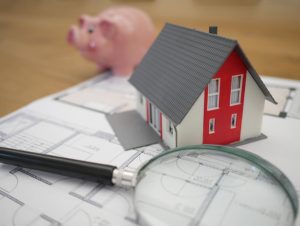 One of the biggest benefits homeowners feel is budget clarity.
Because construction input is part of the design process, you can usually:
-
understand cost ranges earlier
-
select materials based on real pricing
-
avoid designing something that doesn’t match the budget
This makes the project feel more predictable and less stressful.
3. Fewer Disconnects Between Plans and Reality
Seattle homes often include surprises such as:
-
rot behind siding
-
outdated flashing
-
prior remodel layers
-
inconsistent framing conditions
Design-build helps because the team planning the details is also responsible for executing them. That reduces the likelihood of unexpected changes caused by plans that don’t reflect real site conditions.
4. Faster Decision-Making and Fewer Delays
Design-build is often more efficient because design and construction planning can overlap in a controlled way.
That doesn’t mean the project is rushed—it means decisions are sequenced logically so:
-
long-lead materials can be planned early
-
permitting can be aligned with scope
-
the build phase isn’t constantly waiting for design updates
5. Better Accountability for Quality and Outcomes
When design and construction are aligned, it’s easier to maintain consistency from initial planning through final installation. Homeowners often feel that the project process is clearer because the team is working toward one shared outcome.
For Seattle exterior projects, this is especially important for long-term performance details like:
-
WRBs and flashing
-
rainscreens
-
window-to-siding integration
-
moisture protection strategies
When a Design-Build Company Is a Good Fit
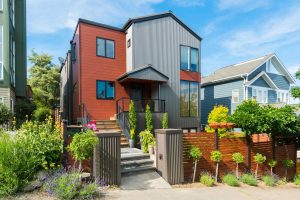
Design-build is not necessarily the best choice for every project. It’s most helpful when homeowners want:
-
a coordinated plan and process
-
guidance on materials and system decisions
-
support navigating scope, budget, and buildability
-
fewer handoffs between design and construction
Design-build is especially well suited for:
-
exterior remodels involving siding + windows
-
whole-home exterior upgrades
-
projects where durability and waterproofing matter
-
homeowners who want a clear plan before construction starts
What the Design-Build Process Typically Looks Like
Every company has a slightly different workflow, but most design-build projects include these stages:
1. Initial Consultation
-
Discuss goals, scope, and timeline
-
Evaluate existing conditions
-
Identify performance risks (moisture, rot, detailing)
2. Design & Planning
-
Develop design direction and exterior selections
-
Align the plan with budget expectations
-
Establish priorities and project constraints
3. Preliminary Concept + Refinement
-
Review the design together
-
Make revisions
-
Confirm major material and scope choices
4. Budget Confirmation + Scope Finalization
-
Confirm realistic pricing
-
Adjust scope if needed
-
Identify potential unknowns (like rot repair)
5. Permitting + Pre-Construction
-
Prepare documents and submit permits
-
Coordinate scheduling and materials
-
Finalize construction details
6. Construction + Execution
-
Demolition and preparation
-
Envelope improvements
-
Installation of siding, windows, trim, and detailing
The advantage of this structure is that design decisions are made with buildability and long-term performance in mind—not in isolation.
How to Choose the Right Design-Build Team
If you’re considering design-build, look for a team that can clearly explain:
-
how they manage scope and budgeting
-
how they handle change decisions
-
how they communicate throughout the project
-
their approach to waterproofing and durability
In Seattle, where moisture detailing is a major factor in exterior projects, homeowners should also ask:
-
“How do you manage water behind the siding?”
-
“Do you use a rainscreen or drainage system?”
-
“How do you integrate windows with siding and flashing?”
Final Thoughts
A design-build company can be an excellent choice for Seattle homeowners who want a smoother, more coordinated remodeling experience. By connecting design decisions directly to construction realities, design-build helps reduce uncertainty, improve budget clarity, and deliver a more durable final result—especially in Pacific Northwest exterior conditions where details matter.
For a deeper look at exterior design, construction best practices, and long-term maintenance, we recommend reviewing our Step-by-Step Guide to Exterior Home Design and Construction, which walks through the full process from planning to execution. And for a deeper dive on how we work – check out our Project Success Plan – a tried and true protocol, guaranteed to maximize efficiency and effort to achieve your remodeling goals.
FAQ: Design-Build Remodeling in Seattle
Is design-build more expensive than hiring an architect and contractor separately?
Not necessarily. Design-build can reduce costly redesigns, scope confusion, and coordination issues by aligning design decisions with real construction costs early in the process.
Do I still need an architect for a design-build project?
Sometimes. Many design-build companies provide in-house design services or partner with architects as needed, depending on project complexity, permitting, and the level of customization required.
What types of projects are best for design-build?
Design-build works especially well for projects with multiple moving parts, such as exterior remodels that involve siding, windows, waterproofing details, and structural repairs.
Why do homeowners choose design-build in Seattle?
Seattle homeowners often choose design-build for clearer budgeting, smoother communication, and better coordination—especially on moisture-sensitive exterior projects where installation details matter.
Can design-build help reduce change orders?
Yes. While changes can still happen, design-build often reduces unexpected change orders by identifying scope, material decisions, and construction constraints earlier in the process.