Best Siding Materials for Seattle’s Wet Climate
Pros, Cons, and Expert Guidance for Pacific Northwest Homes
Choosing the right siding for a home in Seattle is very different from choosing siding in a dry or mild climate. Homes in the Pacific Northwest are exposed to persistent rain, high humidity, moss growth, seasonal temperature swings, and long periods where exterior materials stay damp. Over time, these conditions can cause premature siding failure if materials are poorly chosen or improperly installed.
At Synapse Construction, we specialize in exterior envelope construction and siding installation designed specifically for Seattle’s wet climate. This guide walks through the most common siding materials used in the region, explains how each performs in Pacific Northwest conditions, and outlines what homeowners should consider when selecting siding for long-term durability, maintenance, and appearance.
Why Seattle’s Climate Matters When Choosing Siding
Seattle averages more than 150 days of rain per year, with extended wet seasons where siding may never fully dry. These conditions place constant stress on a home’s exterior envelope. Inadequate siding systems or poor installation details can lead to moisture intrusion, rot, mold growth, paint failure, and structural damage beneath the surface.
Because of this, the “best” siding material in Seattle is not just about appearance or cost. Performance factors such as moisture resistance, drainage capability, ventilation, and compatibility with proper flashing and weather-resistive barriers are critical to protecting the home over time.
Fiber Cement Siding (Including James Hardie)
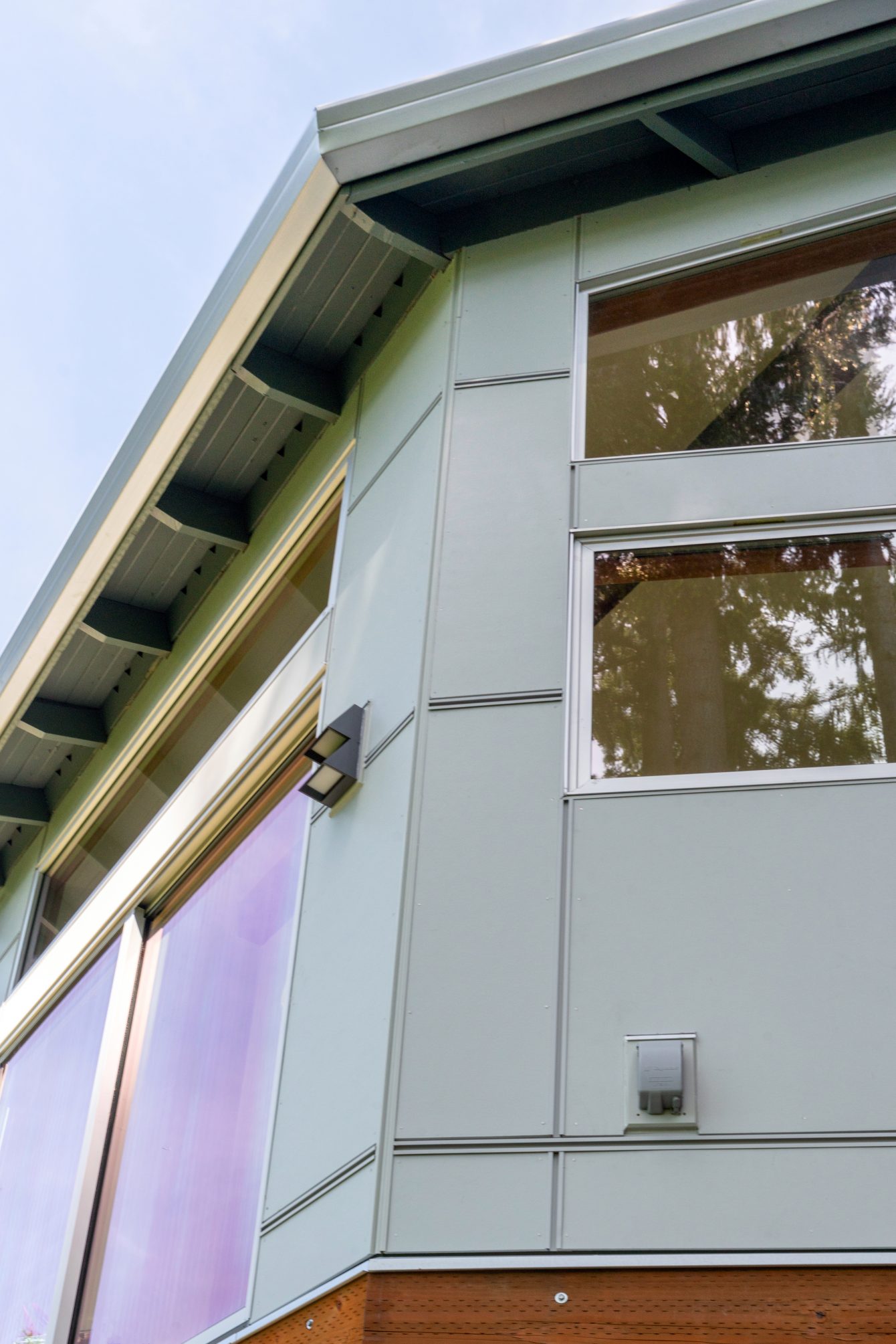
Fiber cement siding is one of the most popular and reliable siding choices for Seattle homes.
Why it performs well in wet climates:
-
Resistant to rot, insects, and moisture damage
-
Dimensionally stable in changing temperatures
-
Non-combustible and fire resistant
-
Available in a wide range of profiles and styles
Fiber cement products such as James Hardie siding are specifically engineered for moisture-prone environments and perform exceptionally well when paired with proper drainage planes and flashing details. Many fiber cement products also come pre-finished, which adds durability and consistency to the finish.
Considerations:
-
Higher upfront cost than vinyl
-
Requires experienced installers to manage cutting, flashing, and clearances correctly
For many Seattle homes, fiber cement represents the best balance of durability, appearance, and long-term value.
Cedar and Natural Wood Siding
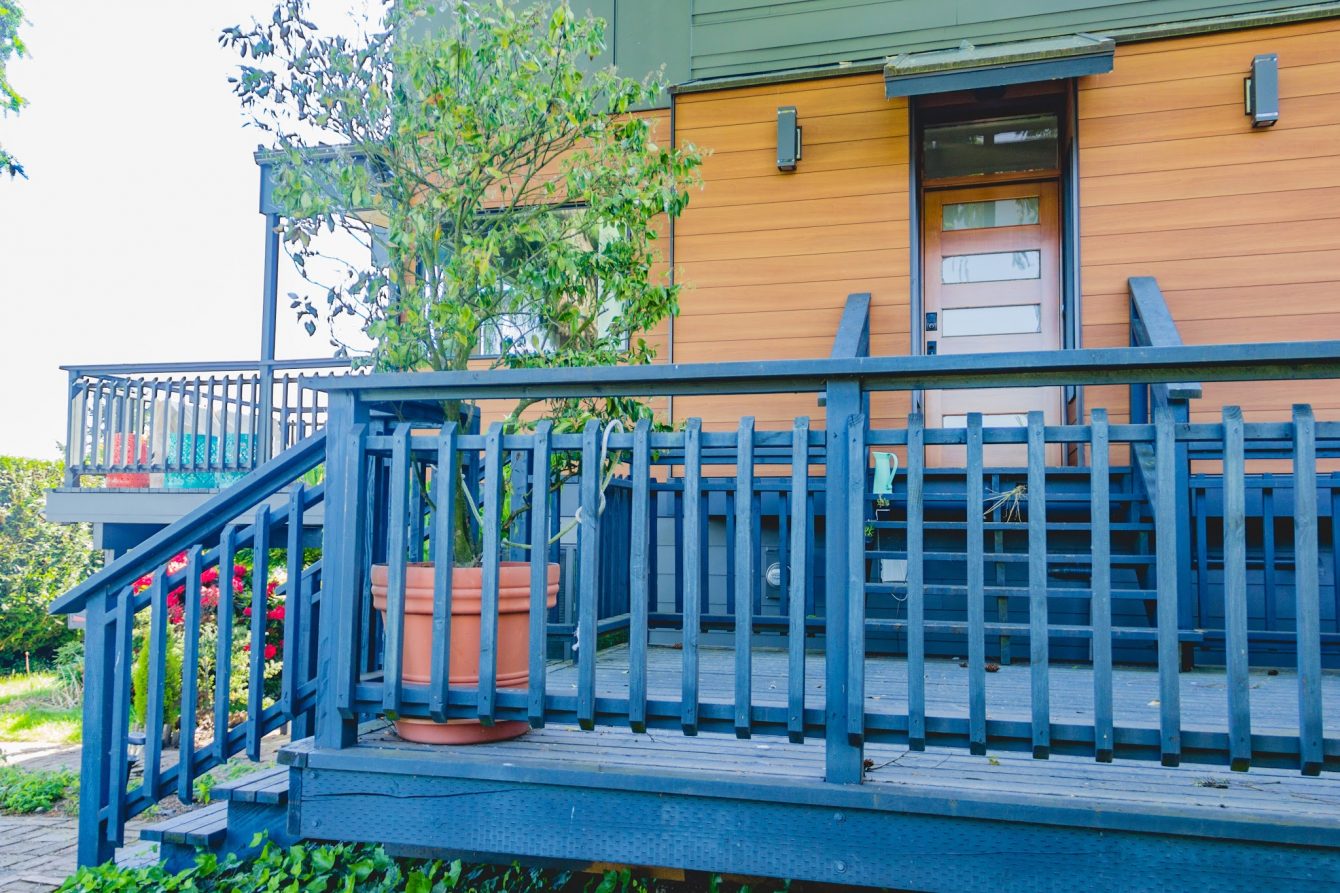
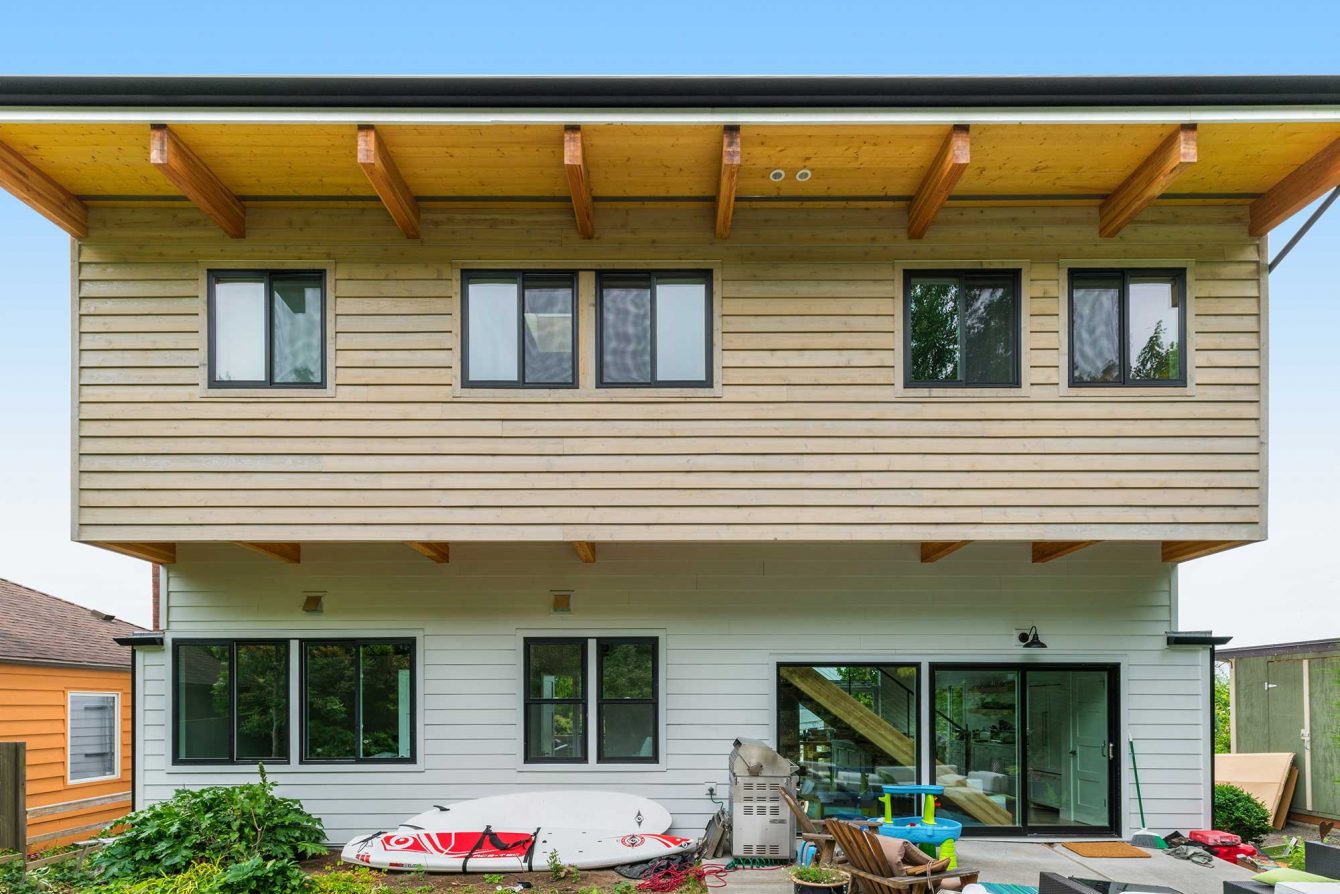
Cedar siding has a long history in the Pacific Northwest and remains a popular choice for homeowners seeking a natural, timeless look.
Advantages:
-
Natural resistance to insects
-
Lightweight and versatile
-
Works well on Craftsman and traditional homes
Challenges in Seattle:
-
Requires regular maintenance
-
Susceptible to rot if moisture management is poor
-
Needs proper back-priming, ventilation, and drainage
Cedar siding can perform well in Seattle, but only when installed with robust exterior envelope detailing. Without proper rainscreen systems and ongoing maintenance, wood siding is more vulnerable to long-term moisture damage.
Engineered Wood Siding
Engineered wood siding products are designed to offer the appearance of natural wood with improved durability.
Pros:
-
More moisture-resistant than traditional wood
-
Often more affordable than fiber cement
-
Consistent appearance
Cons:
-
Performance varies by manufacturer
-
Still requires careful installation and moisture detailing
In Seattle’s climate, engineered wood siding can be a good middle-ground option when installed correctly and maintained as recommended.
Vinyl Siding
Vinyl siding is commonly used across the country, but it has limitations in wet coastal environments.
Benefits:
-
Lower upfront cost
-
Minimal maintenance
-
Resistant to rot
Limitations in Seattle:
-
Can trap moisture if improperly detailed
-
Less impact resistance
-
Limited design flexibility
-
Can appear out of place on older or architecturally detailed homes
Vinyl siding can work in certain applications, but it is often not the best choice for long-term performance or aesthetic goals in Seattle homes.
Modern Panel and Architectural Siding Systems
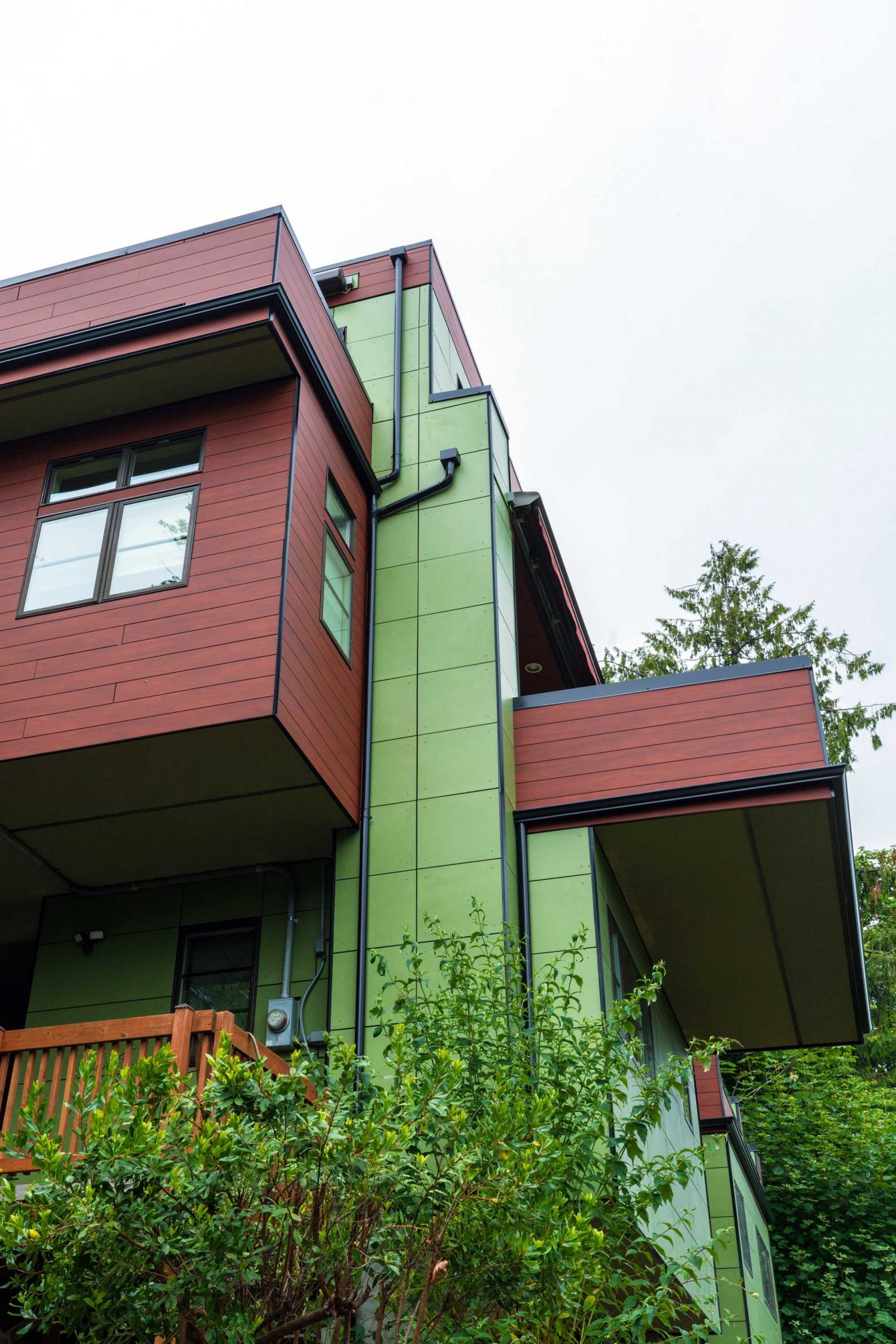
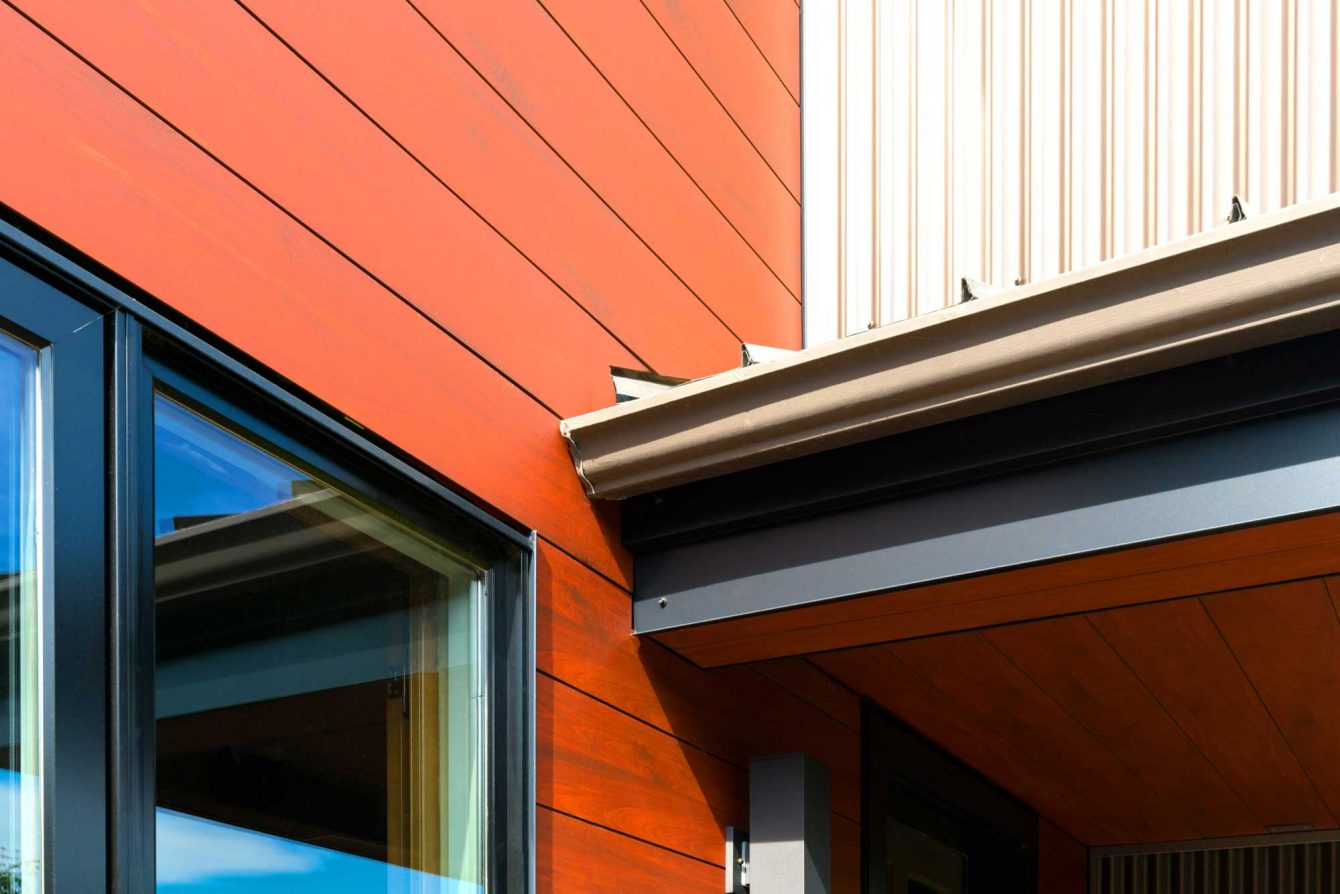
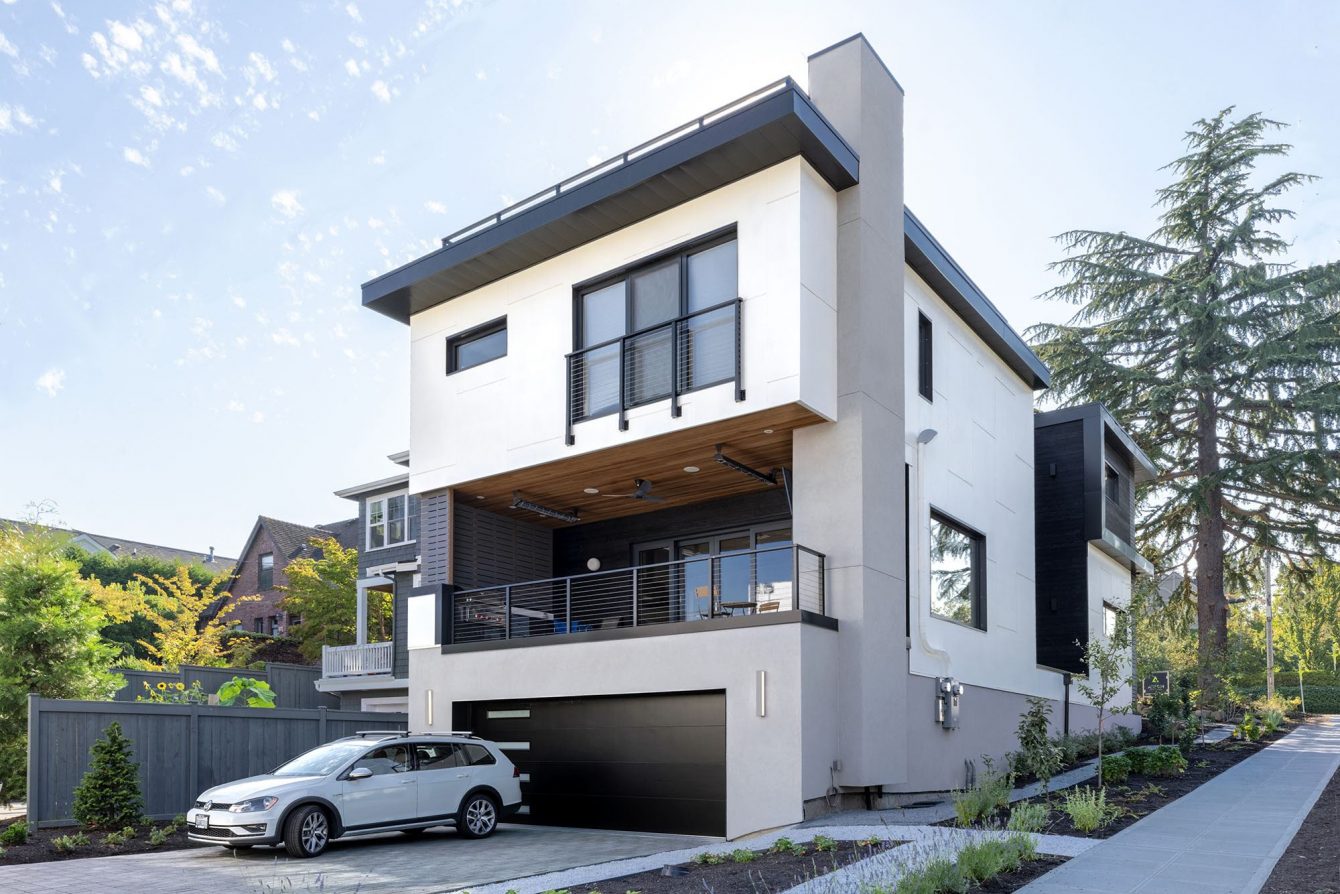
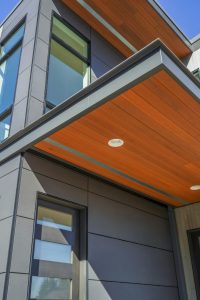
Contemporary panel systems, metal siding, and composite cladding are increasingly popular on modern homes in Seattle.
Advantages:
-
Clean, modern appearance
-
Durable materials
-
Can integrate well with rainscreen systems
Key consideration:
-
Installation complexity is higher
-
Requires experienced exterior envelope professionals
These systems can perform exceptionally well in the Pacific Northwest when installed as part of a carefully designed exterior assembly.
Installation Matters as Much as Material
Regardless of siding choice, performance in Seattle depends heavily on proper installation. Key components of a durable exterior envelope include:
-
Weather-resistive barriers (WRBs)
-
Properly lapped flashing
-
Drainage planes or rainscreen systems
-
Correct clearances at grade and rooflines
-
Thoughtful integration with windows and trim
Even the best siding material can fail prematurely if these details are overlooked.
Our Recommendation for Seattle Homes
For most Seattle-area homes, fiber cement siding installed with a rainscreen system offers the best overall performance, durability, and value. Cedar siding remains a strong option for homeowners committed to maintenance and traditional aesthetics, while modern panel systems work well for contemporary designs when properly detailed.
The right choice depends on your home’s architecture, budget, maintenance expectations, and long-term goals.
Planning a Siding Project in Seattle
If you are considering a siding replacement or full exterior remodel, understanding materials is only the first step. The exterior design and planning process, detailing, and installation approach will ultimately determine how well your home performs in the Pacific Northwest climate.
For a deeper look at exterior design, construction best practices, and long-term maintenance, we recommend reviewing our Step-by-Step Guide to Exterior Home Design and Construction, which walks through the full process from planning to execution. And for a deeper dive on how we work – check out our Project Success Plan – a tried and true protocol, guaranteed to maximize efficiency and effort to achieve your remodeling goals.