A Seattle Homeowner’s Guide to Lifespan, Maintenance, and Climate Performance
Seattle homeowners know that constant rain, damp winters, and cool summers place unique demands on a home’s exterior. In the Pacific Northwest, choosing siding is not just a design decision—it is a performance decision that affects durability, maintenance, and long-term protection. Two of the most commonly considered options in Seattle are fiber cement siding and cedar siding, each with distinct advantages and tradeoffs.
This guide compares fiber cement and cedar siding specifically for Seattle and wet coastal climates, focusing on lifespan, maintenance requirements, climate performance, and long-term value.
Understanding the Difference Between Fiber Cement and Cedar Siding
The primary differences between fiber cement and cedar siding begin with how the materials are made.
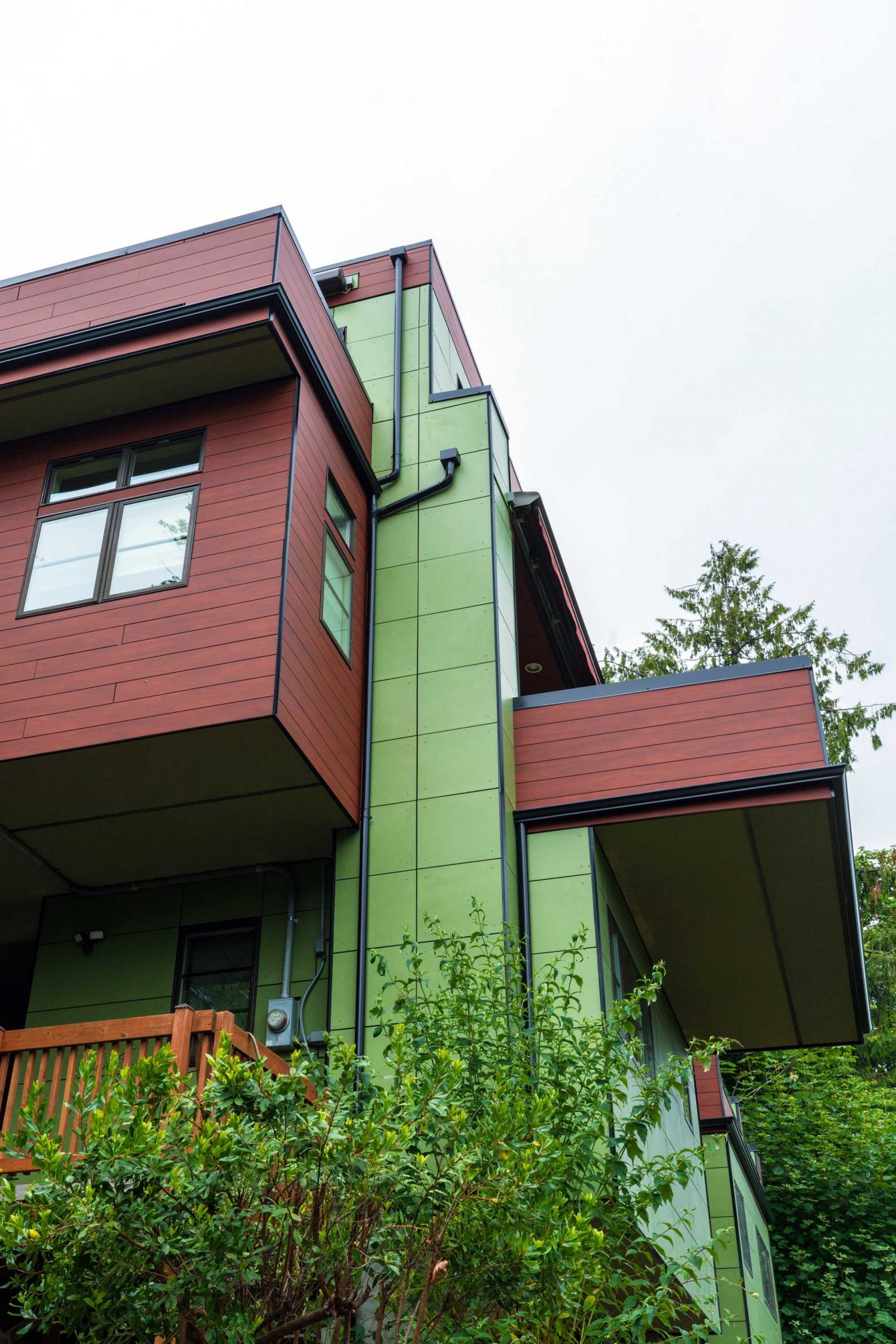
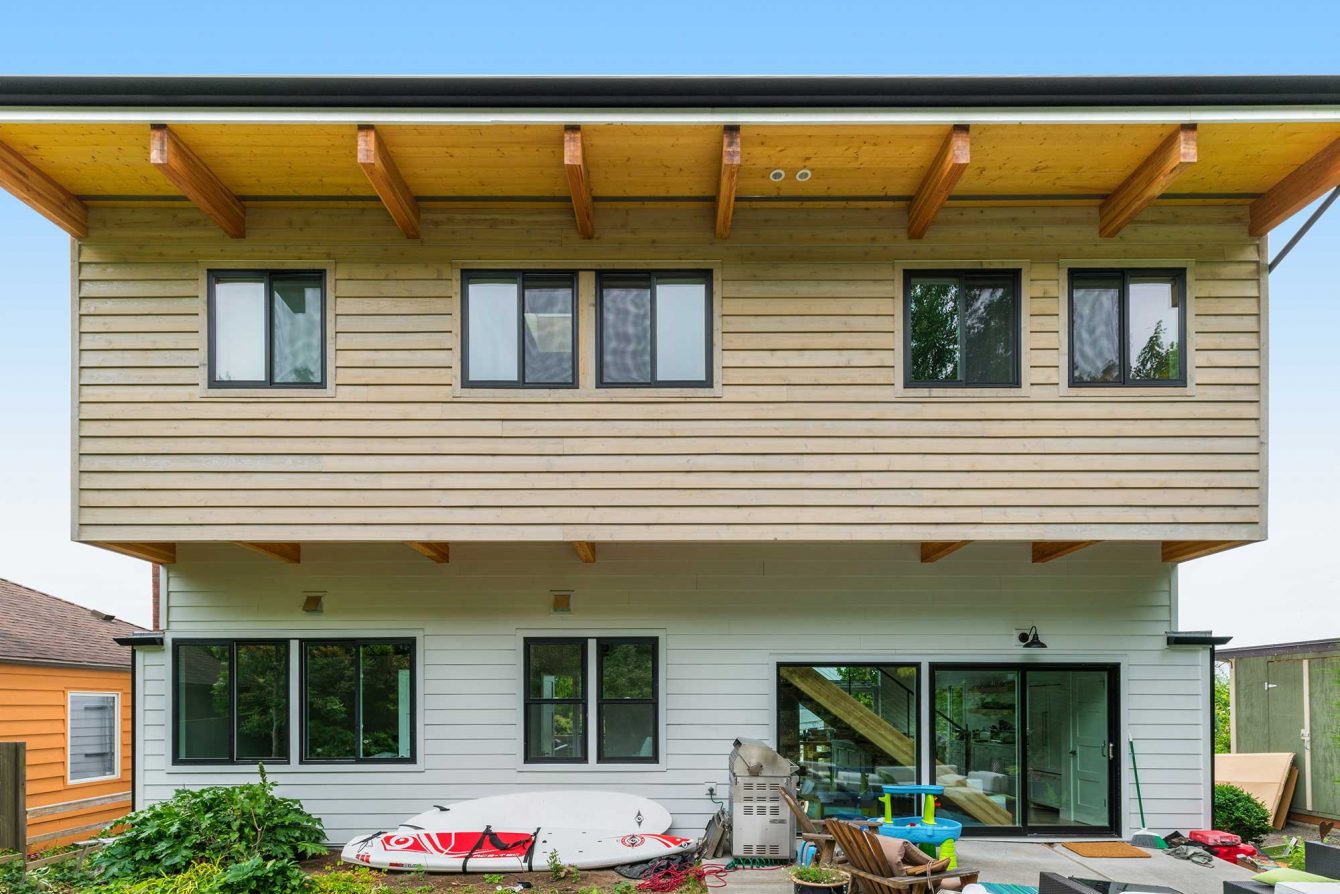
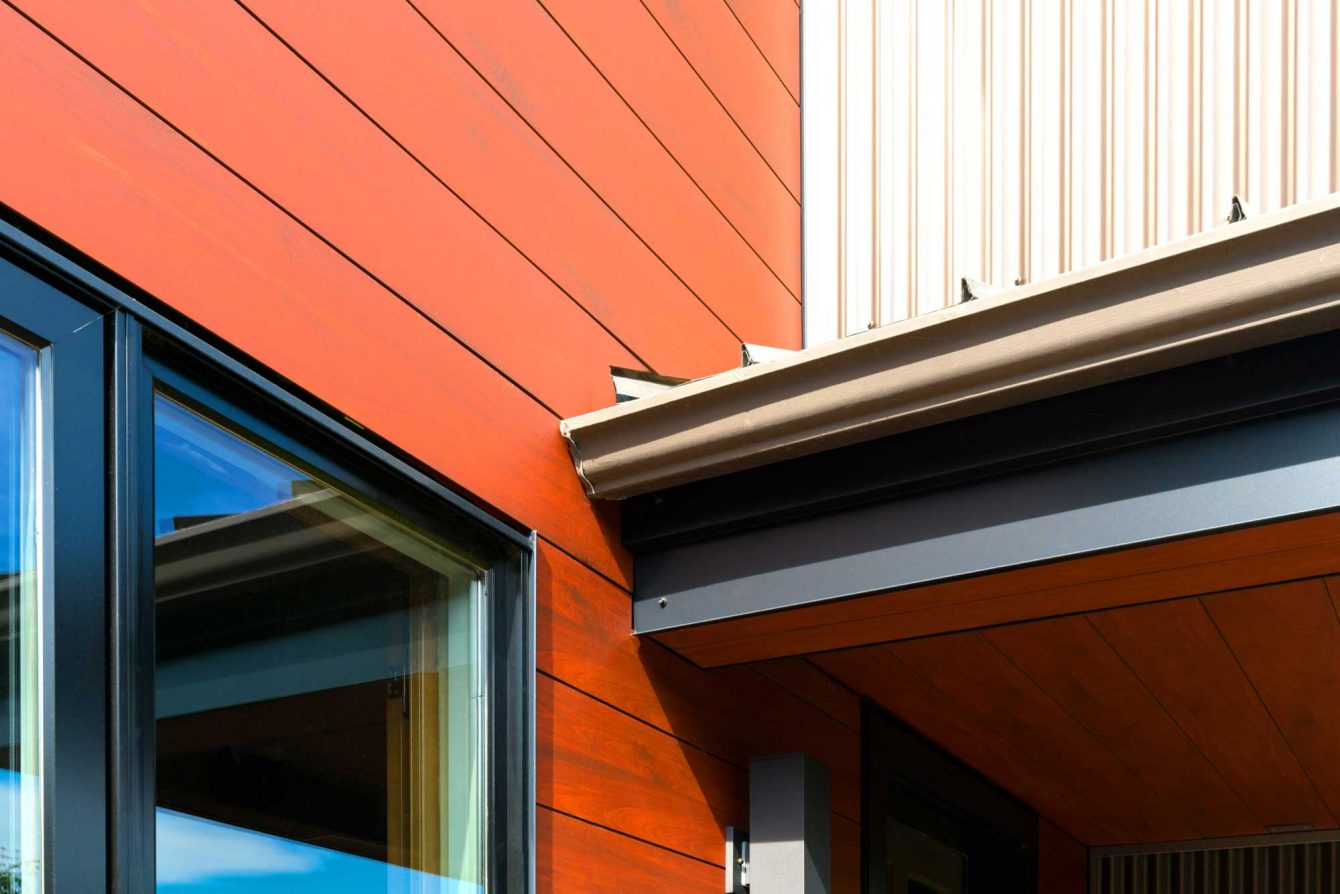
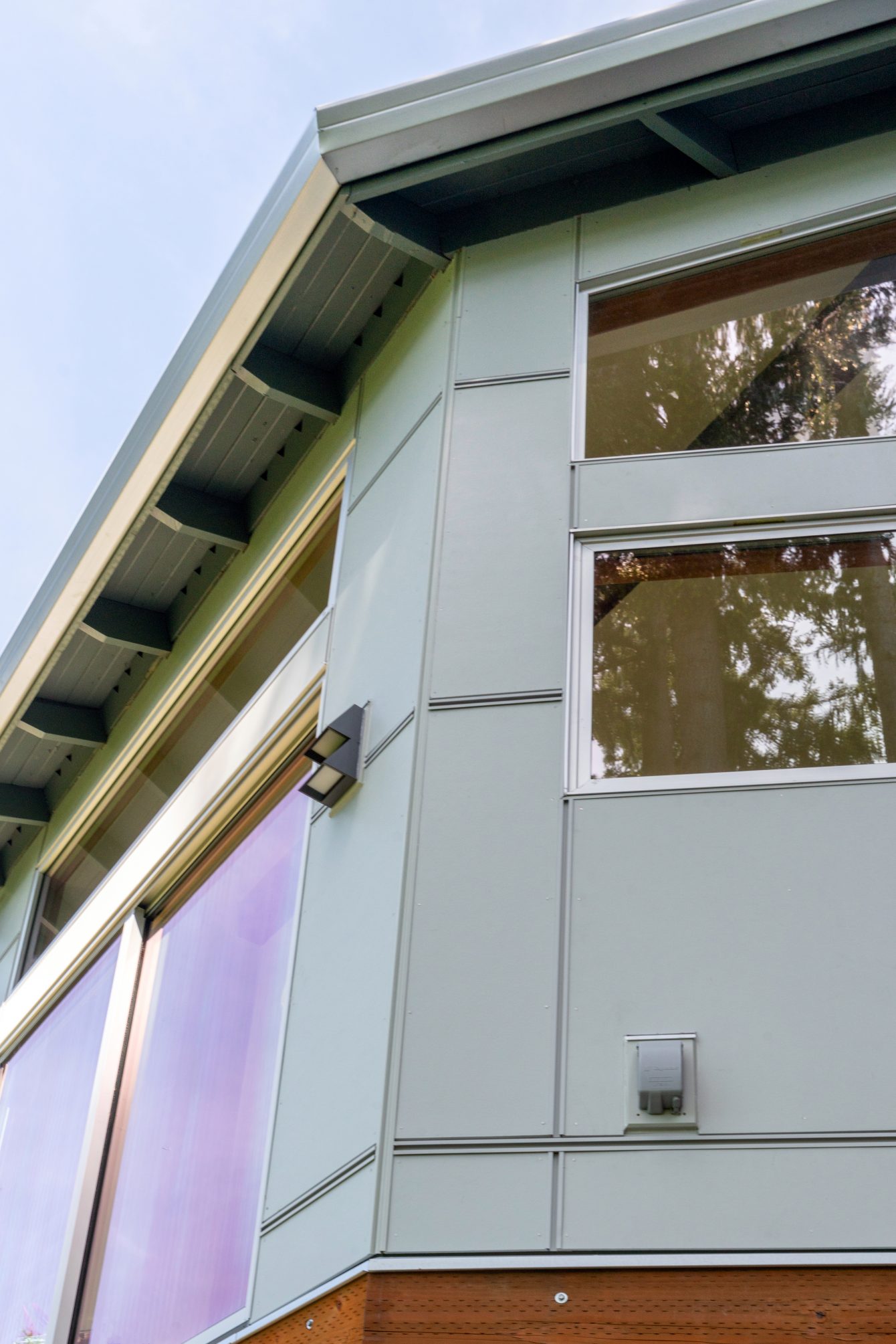
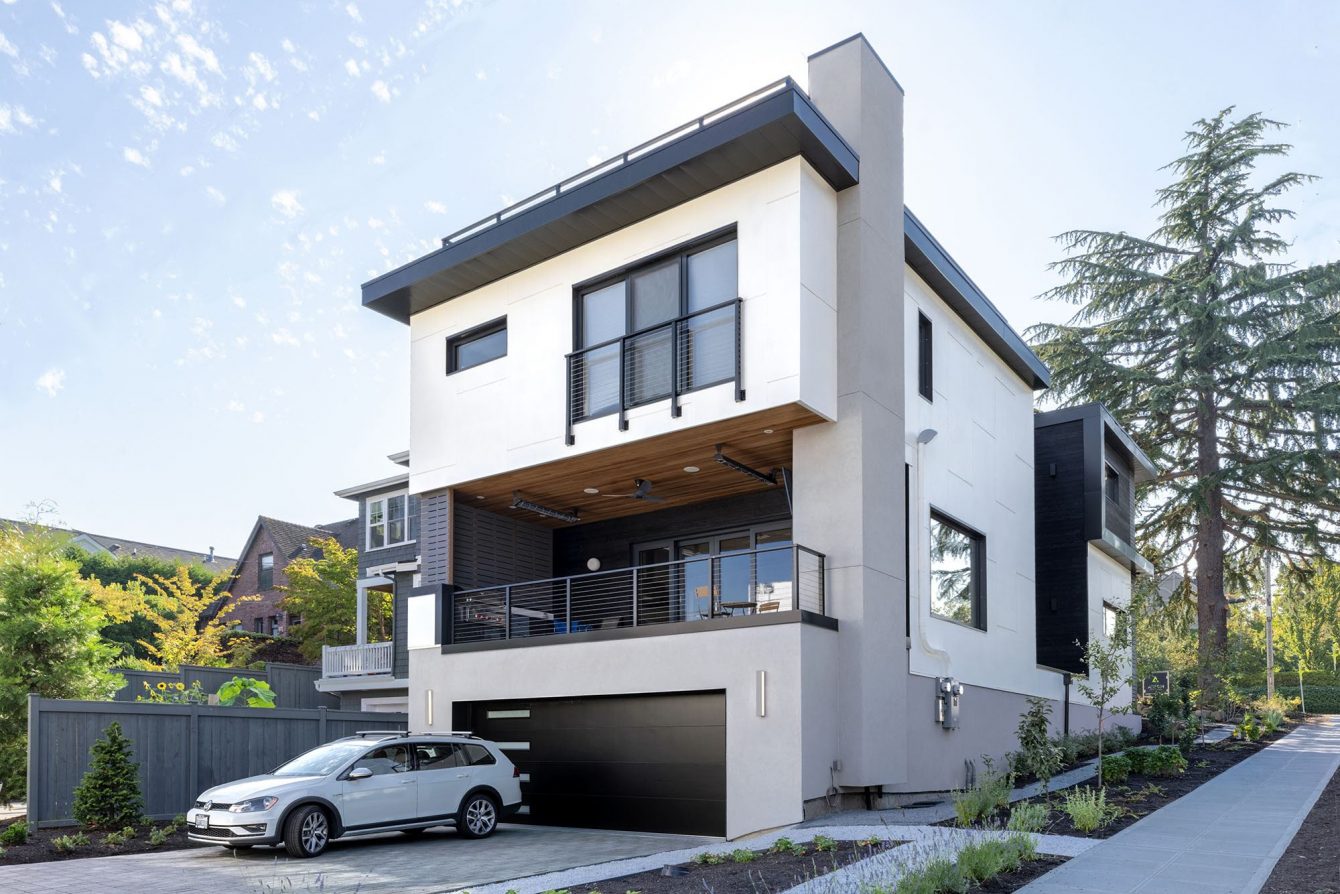
Fiber cement siding is an engineered product composed of cement, sand, and cellulose fibers. This composition creates a highly durable material designed to resist moisture, rot, insects, and fire. Fiber cement siding is available in a wide range of profiles, textures, and colors, making it suitable for both modern and traditional Seattle homes.
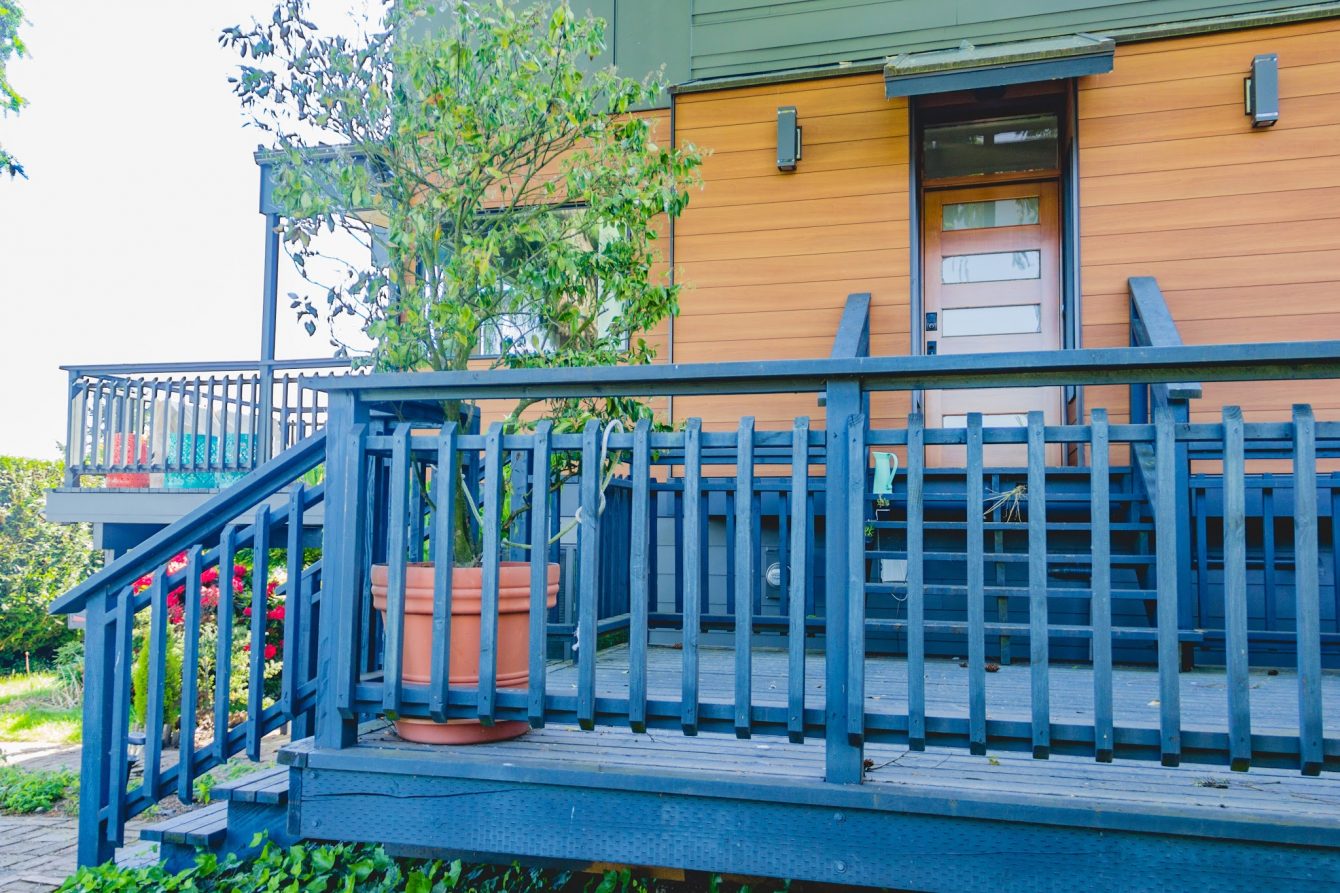
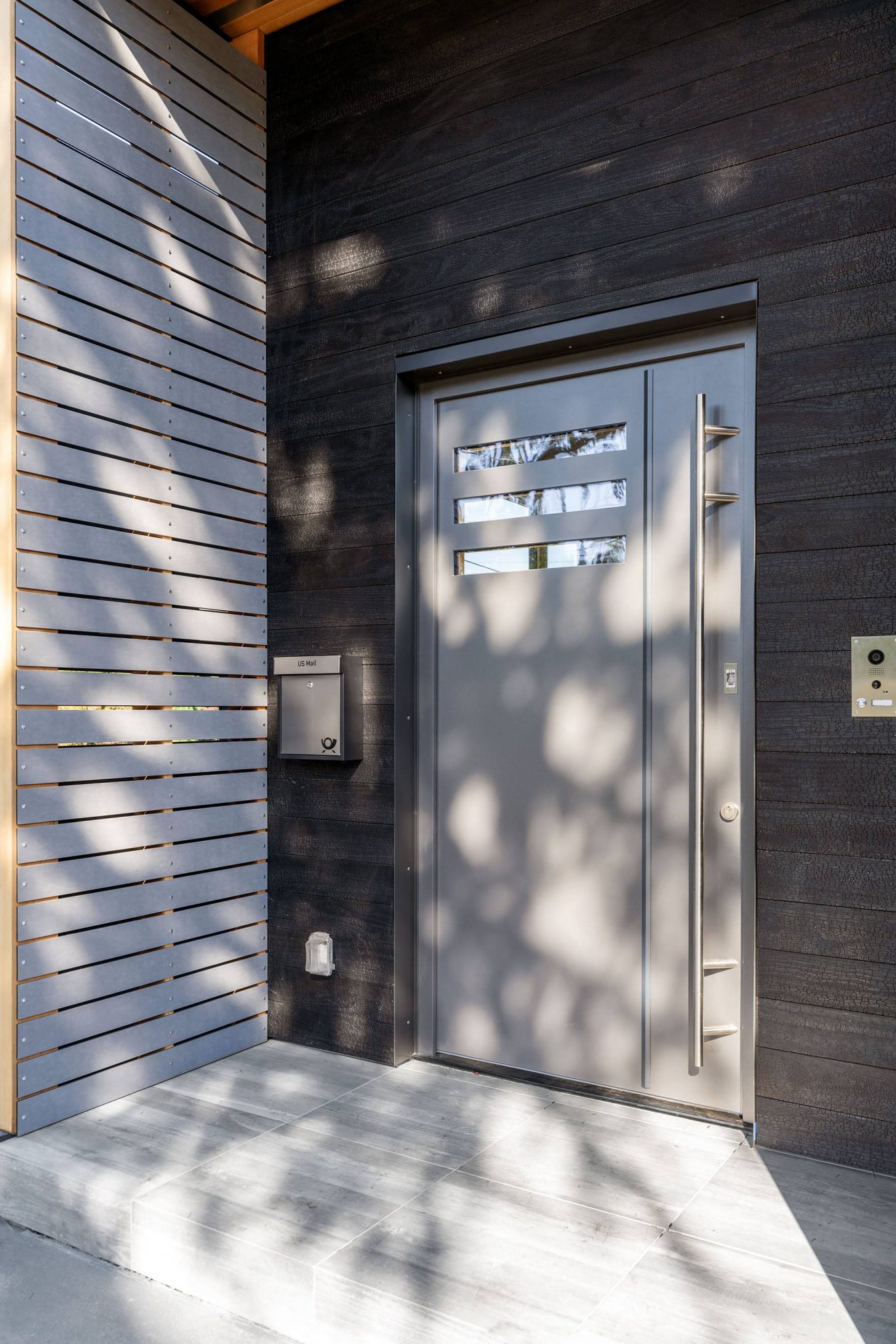
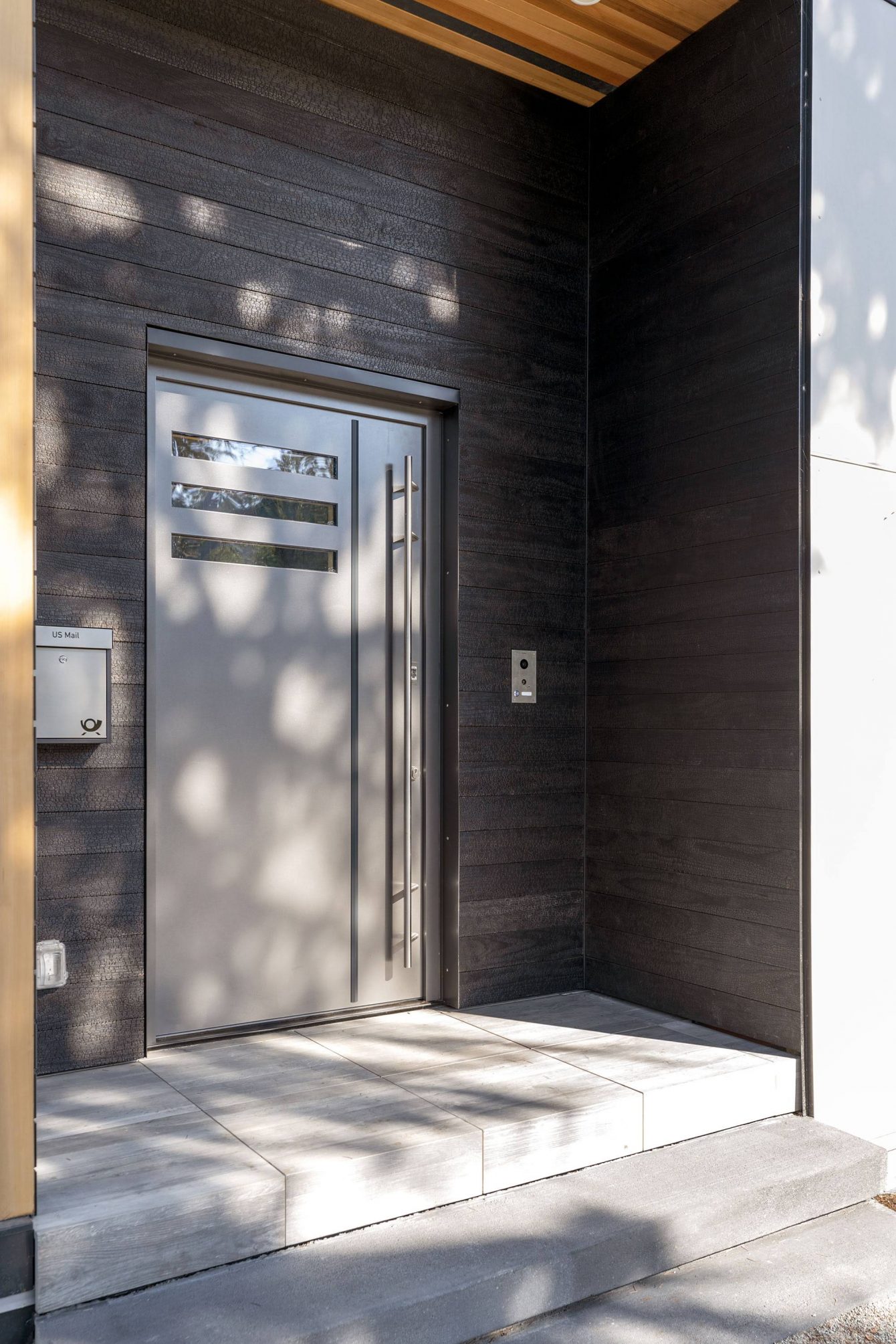
Cedar siding is a natural wood product valued for its warmth, texture, and timeless appearance. It is commonly installed as shingles, bevel siding, shiplap, or tongue-and-groove. While cedar offers strong visual appeal, it is more sensitive to moisture and relies heavily on proper installation and ongoing maintenance to perform well in Seattle’s climate.
Lifespan: Which Siding Lasts Longer in Seattle?
Lifespan is a key consideration when evaluating siding options in a wet environment.
Fiber cement siding typically lasts 30 to 50 years when professionally installed and maintained. Its resistance to moisture-related damage makes it one of the most durable siding choices for the Pacific Northwest.
Cedar siding generally lasts 20 to 30 years, though this range depends heavily on maintenance. In Seattle’s damp climate, neglected cedar siding can deteriorate much faster due to rot, mildew, and moisture absorption. With consistent care, its lifespan can be extended, but it rarely matches fiber cement in long-term durability.
Maintenance Requirements: What Homeowners Should Expect
Maintenance is one of the most significant differences between these two materials.
Fiber cement siding is considered a low-maintenance option. It does not rot or warp and typically only requires repainting every 10 to 15 years. Occasional cleaning is usually sufficient to maintain its appearance, making it appealing to homeowners who prefer minimal upkeep.
Cedar siding, by contrast, requires regular attention. It must be stained, sealed, or painted approximately every 3 to 5 years, along with frequent inspections for mold, mildew, and insect activity. Without this routine maintenance, cedar siding is more likely to crack, warp, or decay in Seattle’s wet conditions.
Climate Performance in Seattle’s Wet Weather
Seattle’s climate places continuous stress on exterior materials, making moisture performance critical.
Fiber cement siding performs exceptionally well in wet environments. It does not swell or deform when exposed to rain and maintains its dimensional stability through seasonal temperature changes. Many fiber cement products also carry a Class A fire rating, adding another layer of protection.
Cedar siding offers natural insulation and pest resistance, but it is more vulnerable to prolonged moisture exposure. In Seattle, cedar must be installed with robust exterior-envelope detailing—such as proper flashing, weather-resistive barriers, and drainage systems—to reduce the risk of rot and mildew. Even with these measures, ongoing maintenance is essential for long-term performance.
Cost Considerations and Long-Term Value
Upfront costs for cedar siding can sometimes be lower than fiber cement, depending on the profile and finish selected. However, the long-term cost of ownership often tells a different story.
Cedar’s frequent maintenance requirements increase its lifetime expense, especially in Seattle’s climate. Fiber cement siding may require a higher initial investment, but its longer lifespan and reduced maintenance often make it more cost-effective over time.
For homeowners planning to stay in their home long term, fiber cement siding frequently offers stronger overall value. Cedar may appeal to those prioritizing aesthetics and willing to commit to ongoing care.
Installation Quality Matters as Much as Material
Regardless of material choice, performance in Seattle depends heavily on proper installation. Both fiber cement and cedar siding require careful attention to:
-
Weather-resistive barriers (WRBs)
-
Flashing details
-
Drainage planes or rainscreen systems
-
Integration with windows, trim, and rooflines
Even the best siding material can fail prematurely if moisture management details are overlooked.
Which Siding Is Right for Your Seattle Home?
When choosing between fiber cement and cedar siding, the right option depends on your priorities.
Fiber cement siding is well suited for homeowners seeking:
-
Long lifespan
-
Low maintenance
-
Strong moisture resistance
-
Consistent performance in wet climates
Cedar siding is often chosen by homeowners who value:
-
Natural beauty
-
Traditional aesthetics
-
Willingness to maintain the material regularly
Both materials can perform well in Seattle when thoughtfully selected and professionally installed as part of a well-designed exterior envelope.
Planning a Siding Project in Seattle
Selecting siding is one part of a larger exterior remodeling decision. Understanding how materials, design, and installation work together helps ensure lasting results in the Pacific Northwest climate.
For additional guidance, explore our Project Success Plan and our Step-by-Step Guide to Exterior Home Design and Construction, which outline best practices for planning, installing, and maintaining durable exterior systems.