James Hardie vs. Vinyl: What’s Better for
Pacific Northwest Homes?
A Homeowner’s Guide to Durability, Moisture Performance, and Long-Term Value in Wet Climates
Choosing the right siding material is one of the most important exterior decisions Pacific Northwest homeowners can make. With frequent rain, cool temperatures, and limited drying time, siding in this region must do more than look good—it must protect the home from persistent moisture.
Two of the most commonly considered options are James Hardie fiber cement siding and vinyl siding. While both are widely used, their performance, lifespan, and long-term value differ significantly in wet coastal climates.
This guide compares James Hardie and vinyl siding specifically for Pacific Northwest homes, focusing on moisture resistance, durability, maintenance, and overall performance.
Understanding the Difference Between James Hardie and Vinyl Siding
The primary differences between these materials start with how they are made.
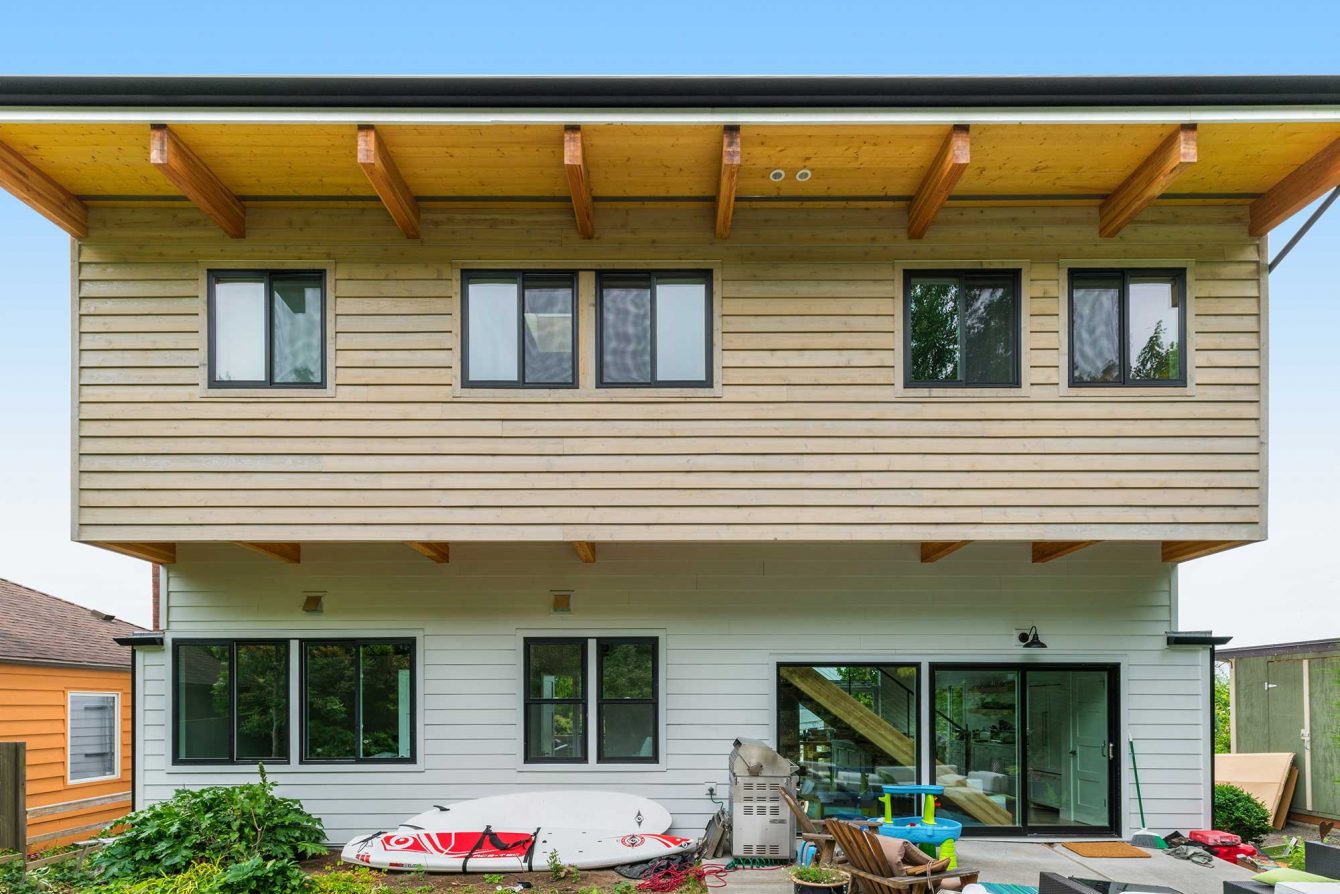
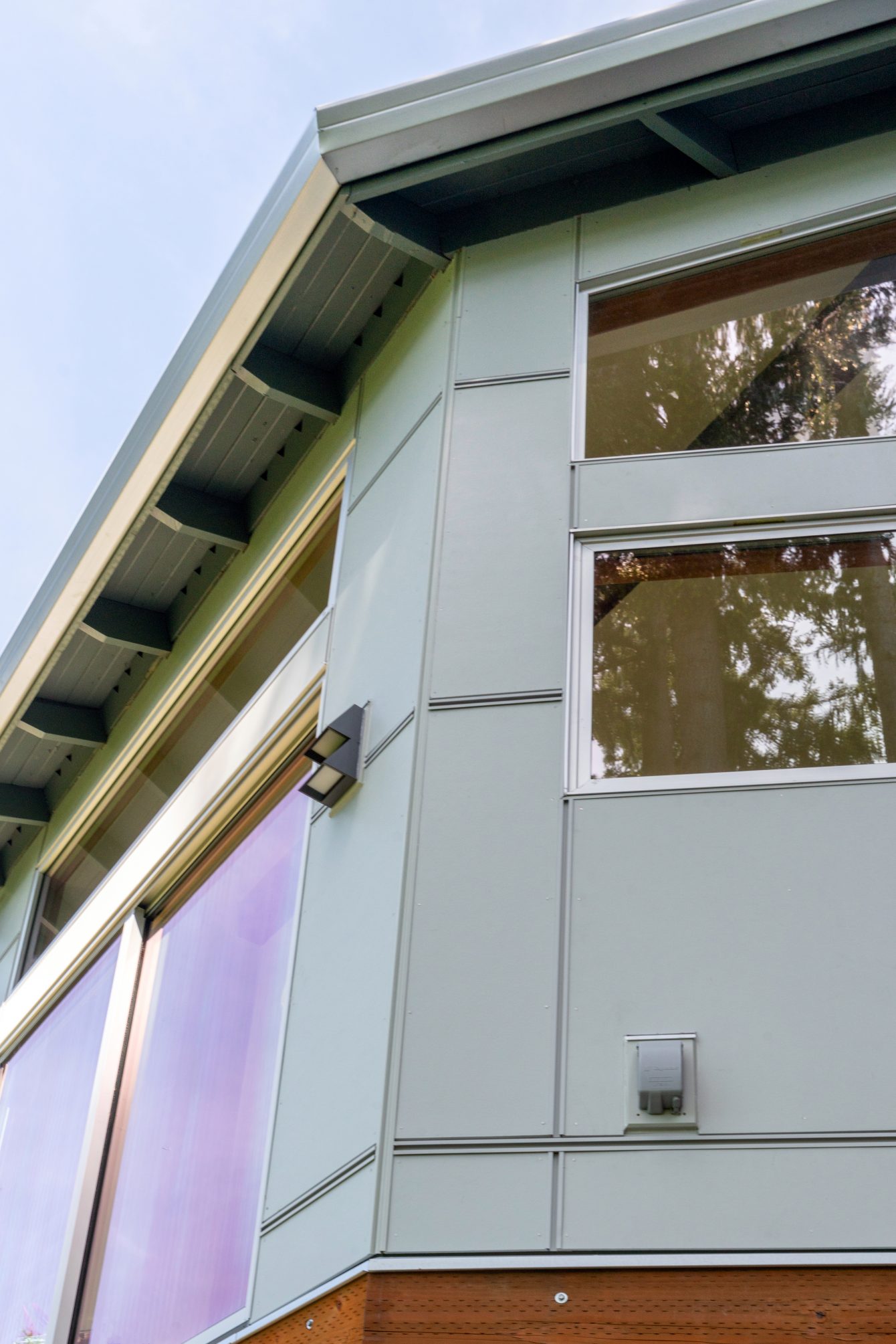
James Hardie siding is a fiber cement product composed of cement, sand, and cellulose fibers. It is engineered to resist moisture, rot, insects, and fire, and is widely used throughout the Pacific Northwest due to its durability in wet environments.
Vinyl siding is made from PVC plastic. It is lightweight, cost-effective, and low maintenance, making it a popular option in many regions. However, its performance can vary depending on climate, installation quality, and exposure conditions.
Moisture Performance in the Pacific Northwest
Moisture resistance is the most critical factor when comparing siding materials in the PNW.
James Hardie Siding
Fiber cement does not absorb water in the same way wood products do, and it does not rot. When installed with proper flashing, weather-resistive barriers, and a rainscreen system, James Hardie siding performs exceptionally well in rainy environments.
Its rigidity also helps it maintain shape and alignment over time, even with repeated wetting and drying cycles.
Vinyl Siding
Vinyl siding itself does not rot, but it is not waterproof. Vinyl systems rely on overlapping panels to shed water, assuming moisture will drain behind the siding.
In wet climates, vinyl can:
-
Trap moisture if drainage is inadequate
-
Allow wind-driven rain behind panels
-
Conceal water damage until it becomes severe
Proper installation is critical, but even well-installed vinyl can struggle in persistently damp conditions.
Durability and Lifespan
James Hardie
-
Typical lifespan: 30–50 years
-
Resistant to rot, insects, and fire
-
Holds paint well in damp climates
-
Less susceptible to impact damage than vinyl
James Hardie siding is widely regarded as one of the most durable siding options for Pacific Northwest homes.
Vinyl
-
Typical lifespan: 20–30 years
-
Can crack, warp, or become brittle over time
-
More vulnerable to impact damage
-
Performance varies widely by product quality
In regions with frequent temperature fluctuations and moisture exposure, vinyl siding often shows wear sooner.
Maintenance Requirements
James Hardie
-
Low maintenance
-
Repainting typically every 10–15 years
-
Occasional cleaning to remove debris or mildew
Vinyl
-
Minimal routine maintenance
-
Does not require painting
-
Can fade or discolor over time
-
Damaged panels must be replaced rather than repaired
While vinyl appears lower maintenance on the surface, repairs can be more noticeable and difficult to match as siding ages.
Appearance and Design Flexibility
James Hardie siding offers:
-
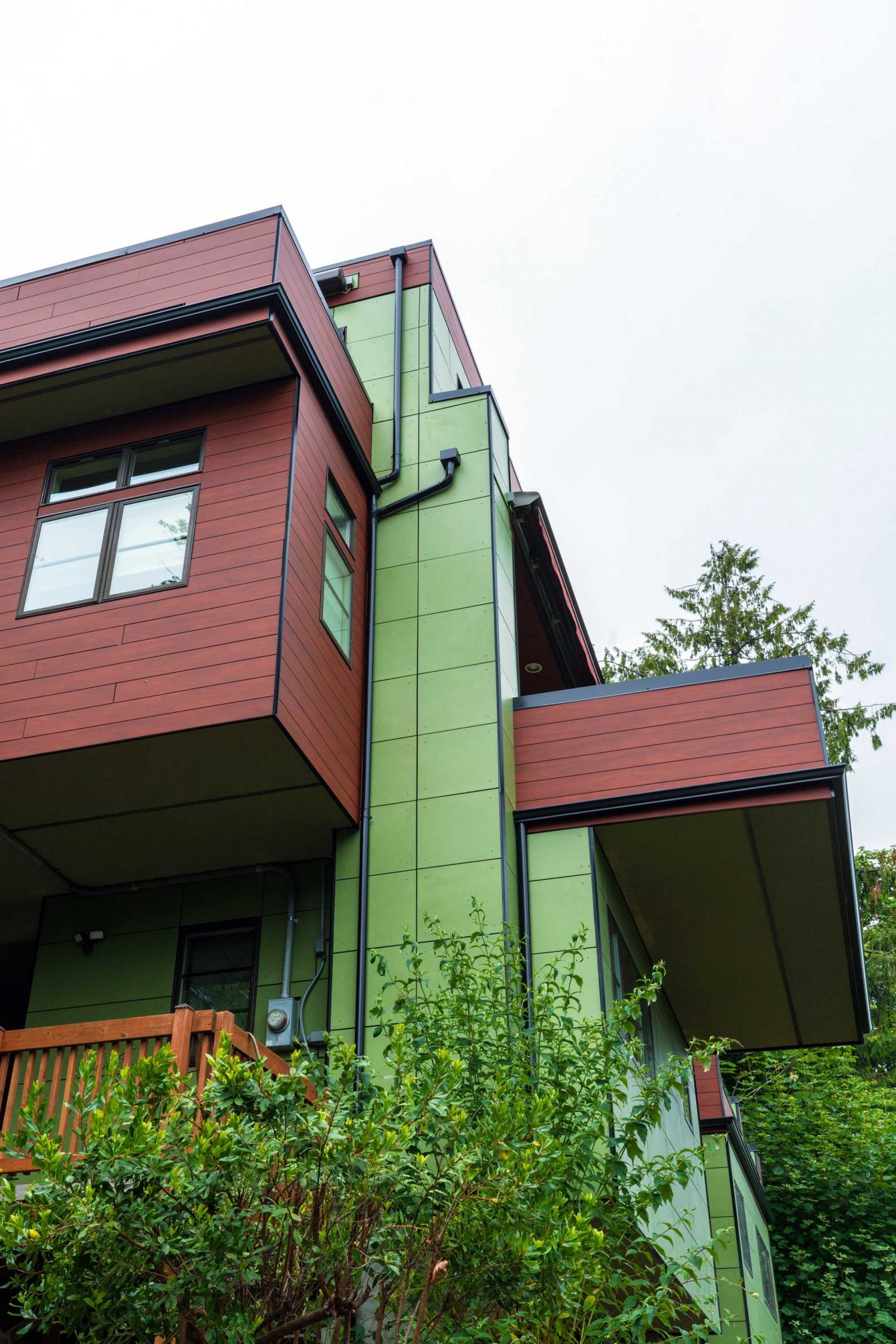
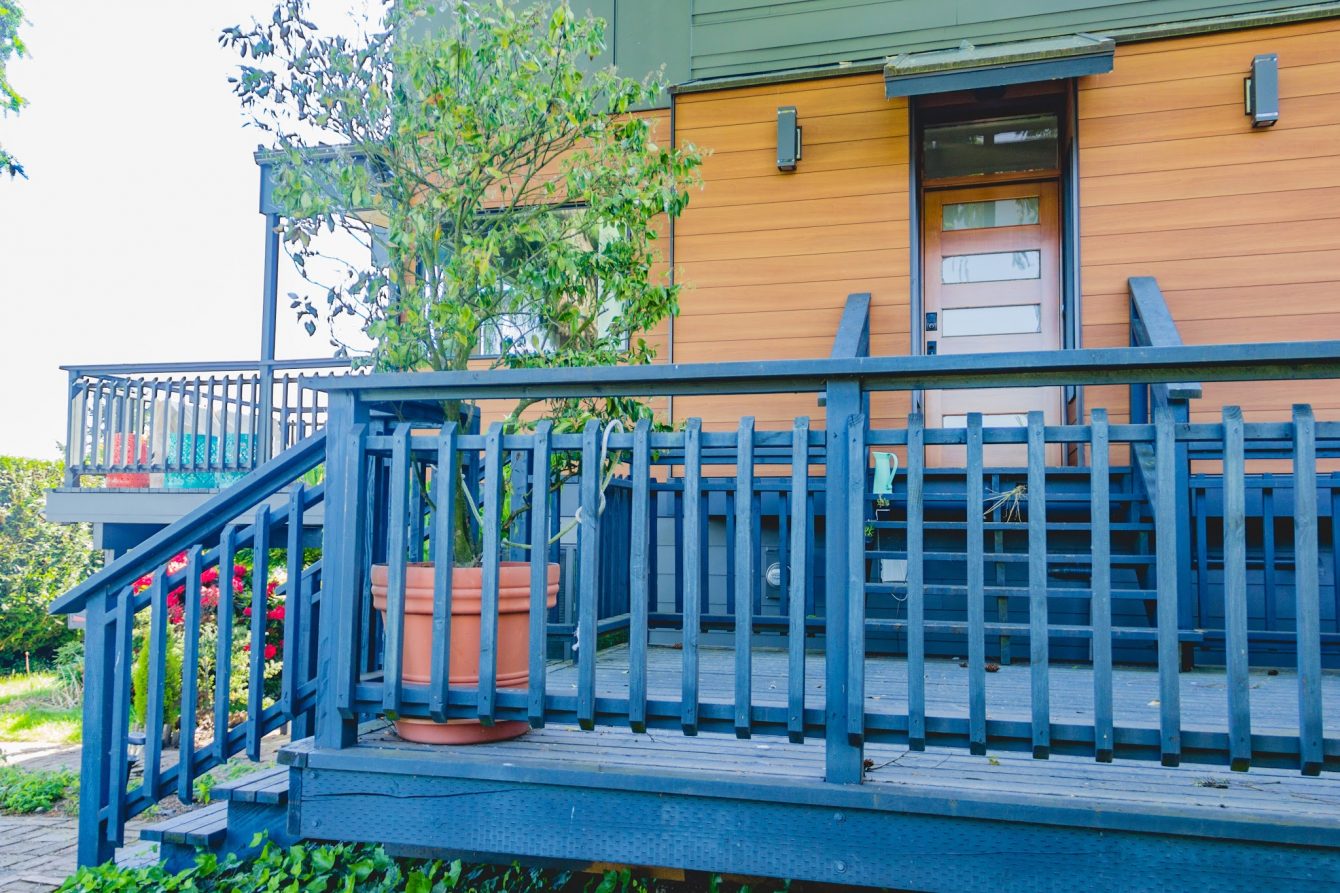
Wood-look textures
-
Multiple profiles and trim options
-
Better color retention
-
Strong curb appeal in higher-end markets
Vinyl siding offers:
-
Consistent factory colors
-
Fewer texture options
-
A more uniform appearance
In many Pacific Northwest neighborhoods, fiber cement is perceived as a higher-end, longer-lasting material.
Cost Considerations and Long-Term Value
Upfront Costs
-
Vinyl siding typically has a lower initial cost
-
James Hardie siding has higher material and labor costs
Long-Term Value
When maintenance, lifespan, and resale value are considered, James Hardie siding often provides better long-term value for PNW homeowners.
Homes with fiber cement siding:
-
Tend to appraise higher
-
Appeal to moisture-conscious buyers
-
Require fewer replacements over time
Installation Quality Matters More Than Material Alone
Both siding types depend on proper installation to perform well, especially in wet climates.
Critical installation components include:
-
Weather-resistive barriers (WRBs)
-
Proper flashing at windows and doors
-
Rainscreen or drainage gaps
-
Correct fastening methods
Even the best siding material can fail if moisture management details are overlooked.
Related resource:
How to Choose the Right Contractor for an Exterior Remodel
Which Is Better for Pacific Northwest Homes?
For homeowners prioritizing:
-
Long-term durability
-
Moisture resistance
-
Strong resale value
-
Lower risk in wet climates
James Hardie siding is generally the better choice.
Vinyl siding may still be appropriate for:
-
Lower upfront budgets
-
Shorter ownership timelines
-
Homes with excellent drainage and exposure
Understanding how each material performs in the Pacific Northwest helps homeowners make informed, climate-appropriate decisions.
Final Thoughts
In the Pacific Northwest, siding must perform under constant moisture exposure. While both James Hardie and vinyl siding are widely available, their long-term performance differs significantly in wet coastal climates.
Choosing a siding material with proven durability—and installing it as part of a complete exterior system—helps protect your home for decades, not just years.
Back to Exterior Remodeling Resources