When to Repair vs. Replace Windows in Seattle Homes
A Seattle Homeowner’s Guide to Making the Right Decision in Wet Coastal Climates
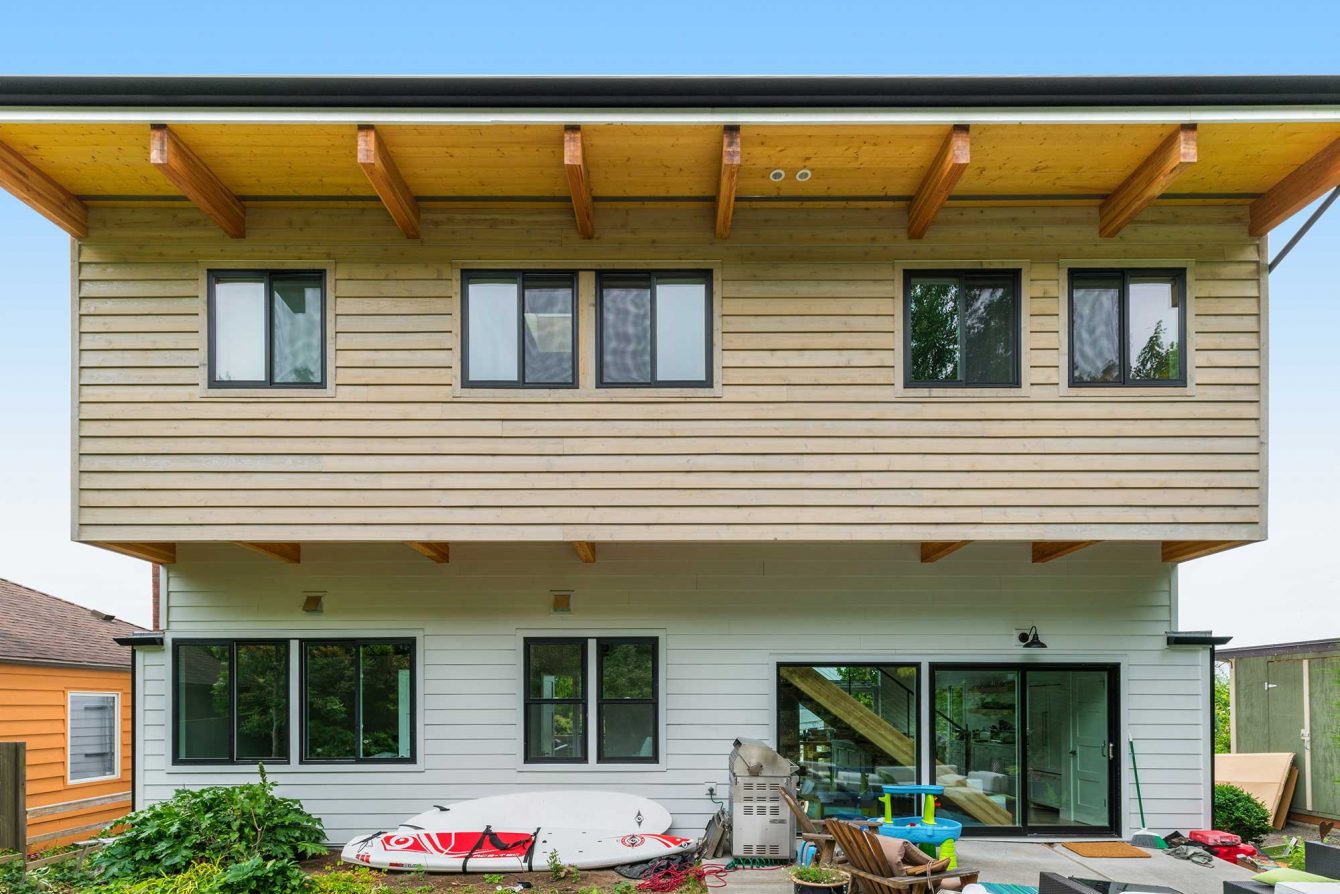
Windows play a critical role in protecting Seattle homes from rain, wind, and seasonal temperature changes. In a wet coastal climate, aging or poorly performing windows can allow moisture intrusion, reduce energy efficiency, and compromise adjacent siding and wall systems. Homeowners are often faced with the question: should windows be repaired or fully replaced?
This guide explains how Seattle’s climate affects window performance, outlines the key signs that distinguish repairable issues from full replacement needs, and helps homeowners make informed, cost-effective decisions.
Why Windows Fail Faster in Seattle’s Climate
Seattle’s frequent rain and limited drying time place continuous stress on window systems. Over time, moisture exposure can degrade window components and the surrounding wall assembly.
Common contributing factors include:
-
Wind-driven rain against window openings
-
Failed or outdated flashing methods
-
Aging sealants and glazing
-
Poor integration with siding and trim
In many homes, window issues are closely tied to siding performance, making timing and coordination especially important.
When Window Repair May Be Sufficient
In some cases, window issues can be addressed through targeted repairs, particularly when the window itself remains structurally sound.
Situations where repair often makes sense:
-
Minor air leaks or drafts
-
Failed caulking or sealant at the exterior
-
Hardware or balance issues
-
Isolated condensation between panes in older but otherwise intact units
-
Small flashing adjustments discovered early
Repairs are generally more effective when windows are relatively new and moisture damage has not reached the surrounding framing or sheathing.
Signs That Window Replacement Is the Better Option
In Seattle’s wet climate, certain warning signs indicate that replacement is the safer long-term choice.
Replacement is often recommended when:
-
Frames show signs of rot, swelling, or softness
-
Water stains appear on interior walls or window sills
-
Condensation persists between insulated glass panes
-
Drafts remain after attempted repairs
-
Windows are more than 20–25 years old
-
Flashing systems are outdated or missing
Once moisture intrusion affects the framing around the window, replacement becomes necessary to prevent further damage.
The Relationship Between Windows and Siding Projects
Windows and siding are part of the same exterior envelope. Replacing siding without addressing aging windows can create weak points in the system.
During siding replacement, it is common to discover:
-
Improper or missing window flashing
-
Rot behind trim or sill areas
-
Older windows incompatible with modern moisture standards
Coordinating window replacement with siding work often:
-
Improves waterproofing continuity
-
Reduces labor duplication
-
Enhances long-term performance
This is especially important in Seattle, where moisture control is critical.
Energy Efficiency Considerations
Older windows often lack modern energy-efficient features such as:
-
Low-emissivity (Low-E) coatings
-
Argon-filled insulated glass
-
Improved frame materials
Replacing inefficient windows can:
-
Reduce heat loss in winter
-
Improve indoor comfort
-
Lower heating costs over time
However, energy efficiency alone does not always justify replacement unless combined with performance or moisture concerns.
Cost Differences: Repair vs. Replacement
While repairs are typically less expensive upfront, repeated fixes can add up over time—especially when moisture damage is involved.
General cost considerations:
-
Repairs: lower initial cost, limited lifespan
-
Replacement: higher upfront cost, improved durability and efficiency
In Seattle homes, replacement often provides better long-term value when windows are nearing the end of their service life.
Timing Matters in Seattle Homes
The best time to replace windows is often:
-
During a siding replacement project
-
When addressing known moisture issues
-
Before interior damage becomes visible
Proactive replacement can prevent hidden rot and reduce the scope of future repairs.
Making the Right Decision
Seattle homeowners should consider:
-
Age and condition of existing windows
-
Evidence of moisture intrusion
-
Planned exterior renovations
-
Long-term ownership goals
A professional exterior evaluation can help determine whether repairs are sufficient or replacement is the wiser investment.
Final Thoughts
In Seattle’s rainy coastal climate, window performance directly affects the durability of your home’s exterior system. While some issues can be resolved through repair, others signal deeper moisture-related problems that require full replacement.
Understanding the difference helps homeowners protect their homes, avoid costly damage, and plan exterior upgrades with confidence.