How Long Does Siding Last in a Rainy Coastal Environment?
A Seattle Homeowner’s Guide to Lifespan, Moisture Resistance, and Long-Term Performance
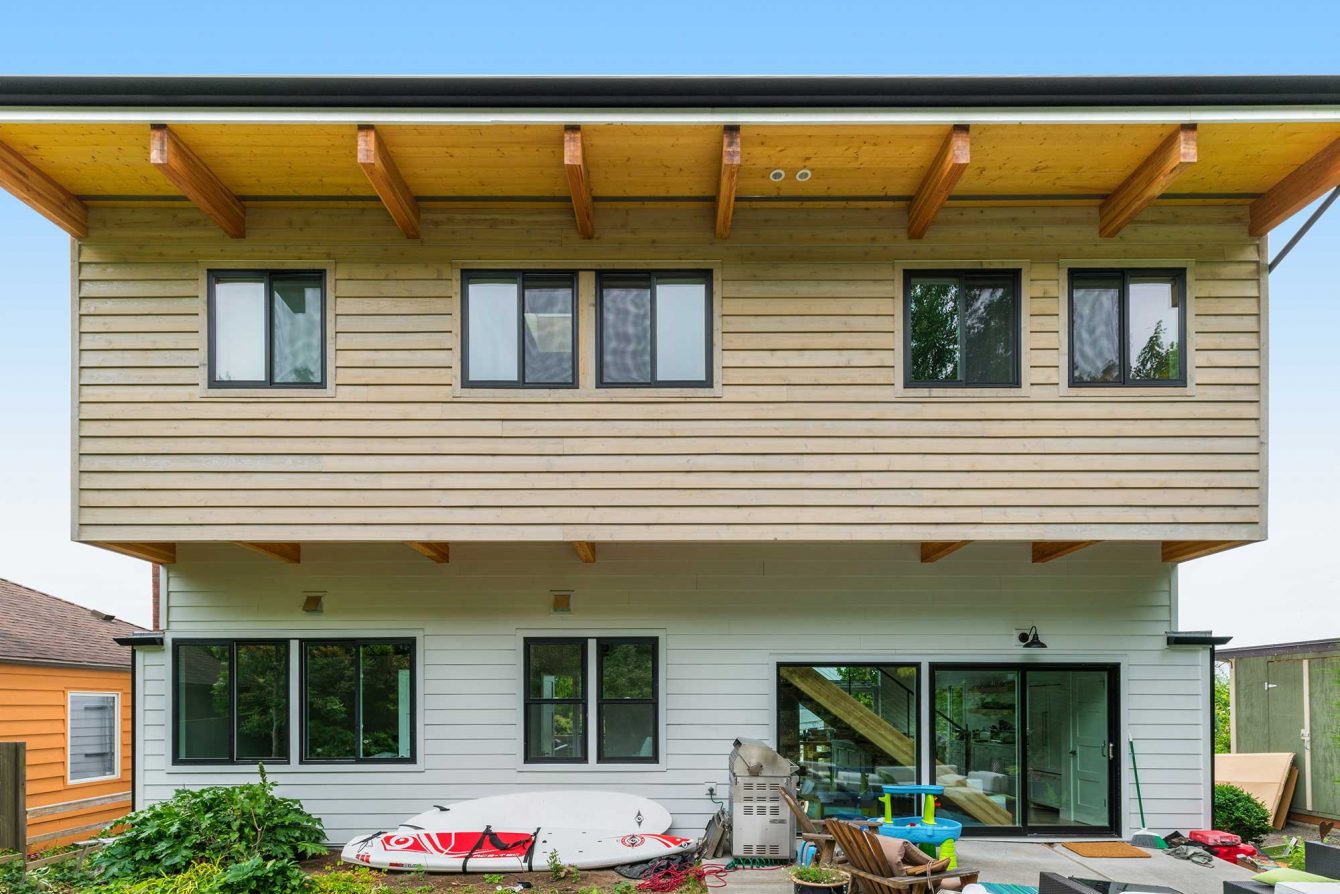
Homes in rainy coastal environments face a different set of challenges than homes in dry or seasonal climates. In places like Seattle and the greater Pacific Northwest, siding is constantly exposed to moisture, wind-driven rain, cool temperatures, and limited drying periods. As a result, siding lifespan is influenced not only by material choice, but by climate performance, installation quality, and ongoing maintenance.
This guide explains how long different siding materials typically last in a wet coastal climate, what factors shorten or extend lifespan, and how Seattle homeowners can make informed decisions that protect their homes over the long term.
Why Coastal and Rainy Climates Are Hard on Siding
In coastal regions like Seattle, siding rarely gets extended periods to fully dry. Persistent moisture can penetrate poorly detailed assemblies, leading to rot, mold, paint failure, and structural damage beneath the surface.
Key environmental factors that affect siding longevity include:
-
High annual rainfall
-
Frequent wind-driven rain
-
Cool temperatures that slow evaporation
-
Shaded elevations that remain damp
-
Salt air exposure in coastal zones
-
Freeze-thaw cycles in winter
Because of these conditions, siding in Seattle typically fails earlier than manufacturer lifespans suggest if it is not properly selected and installed for the climate.
Average Siding Lifespan in Rainy Coastal Environments
Below are realistic lifespan ranges for common siding materials specifically in wet coastal climates, assuming professional installation and average maintenance.
Fiber Cement Siding
Estimated lifespan: 30–50 years
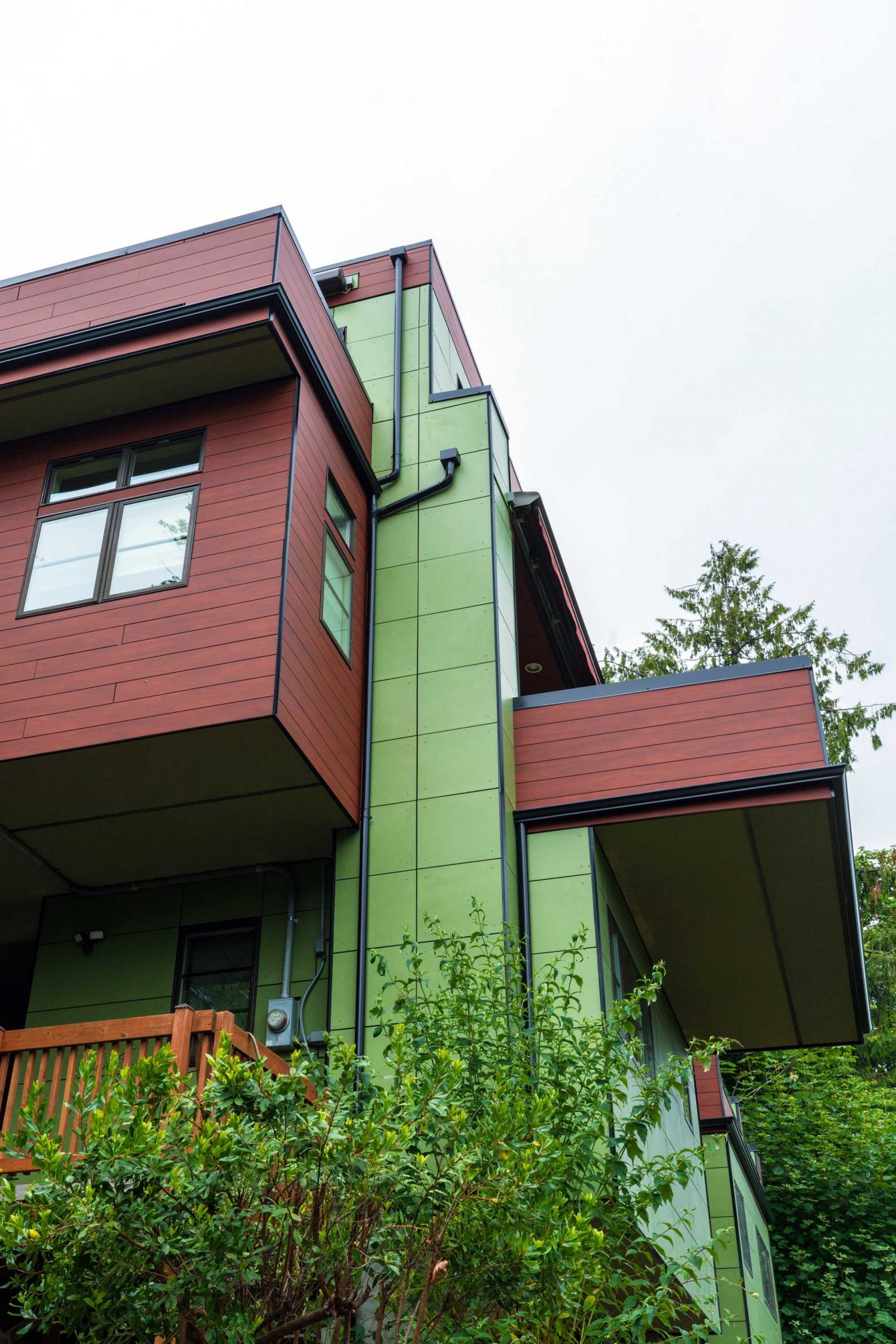
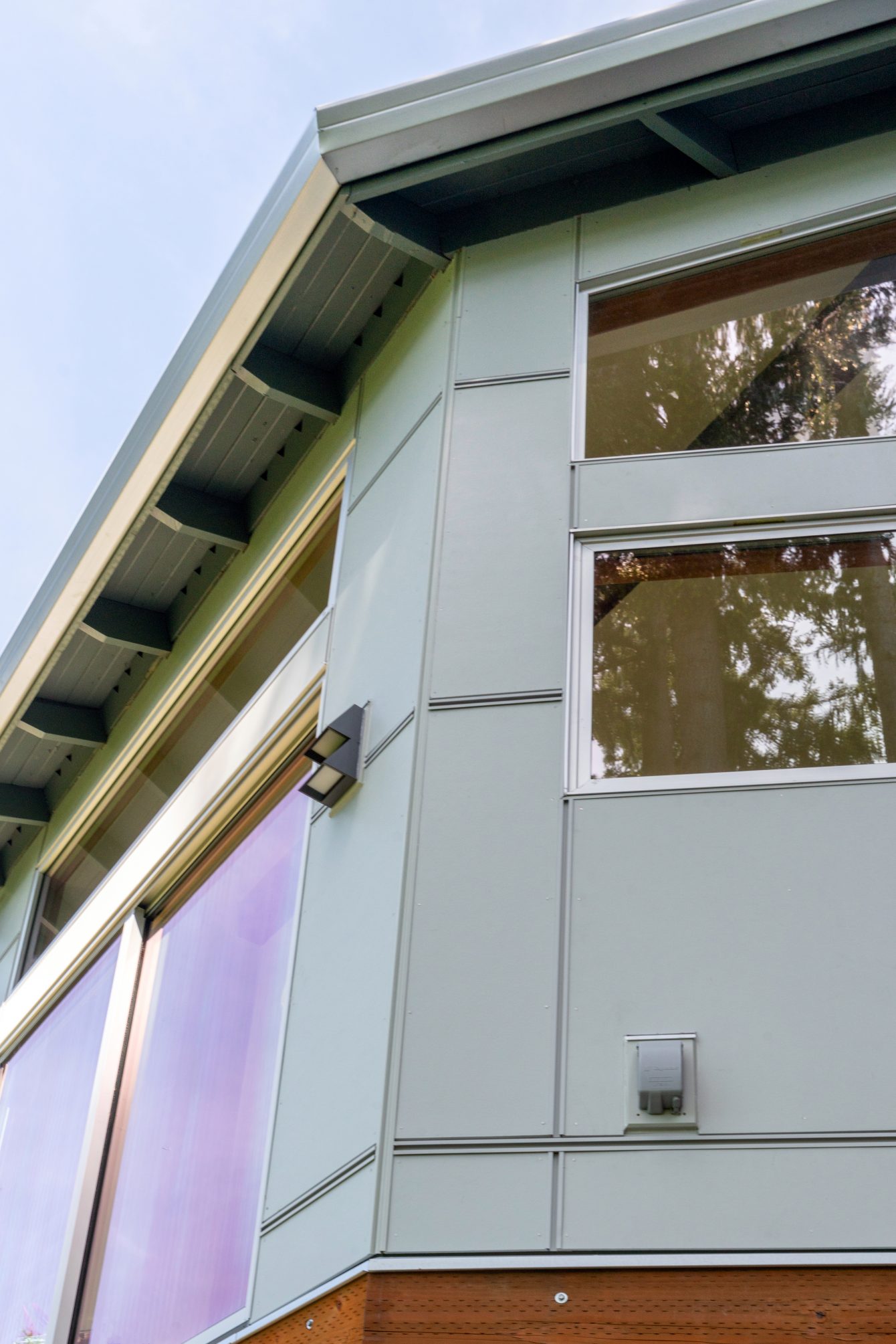
Fiber cement is one of the longest-lasting siding materials for rainy environments. Its cement-based composition resists moisture absorption, rot, insects, and fire. When installed with proper flashing and a drainage plane, fiber cement performs exceptionally well in Seattle’s climate.
Painted fiber cement typically requires repainting every 10–15 years, but the underlying material remains structurally stable for decades.
Vinyl Siding
Estimated lifespan: 20–30 years
Vinyl siding does not rot, but coastal climates can shorten its lifespan due to wind stress, UV exposure, and temperature fluctuations. In Seattle, vinyl can perform adequately when installed correctly, but it is more vulnerable to cracking, warping, and impact damage over time.
Moisture can also become trapped behind vinyl if drainage and ventilation are poorly designed, leading to hidden sheathing damage.
Cedar Wood Siding
Estimated lifespan: 20–30 years (with consistent maintenance)
Cedar siding is naturally resistant to insects and decay, but it is still a wood product that absorbs moisture. In rainy climates, cedar’s longevity depends heavily on:
-
Proper sealing or staining
-
Frequent maintenance cycles
-
Excellent moisture detailing
Without routine upkeep, cedar siding can deteriorate much faster—sometimes in as little as 10–15 years in shaded or exposed elevations.
Engineered Wood Siding
Estimated lifespan: 20–40 years
Engineered wood products are designed to improve upon traditional wood siding by increasing moisture resistance and dimensional stability. In Seattle, these materials can perform well when installed with a rainscreen system and maintained according to manufacturer guidelines.
However, failures are more likely if water penetrates cut edges or improperly sealed joints.
Metal Siding (Steel or Aluminum)
Estimated lifespan: 40–60 years
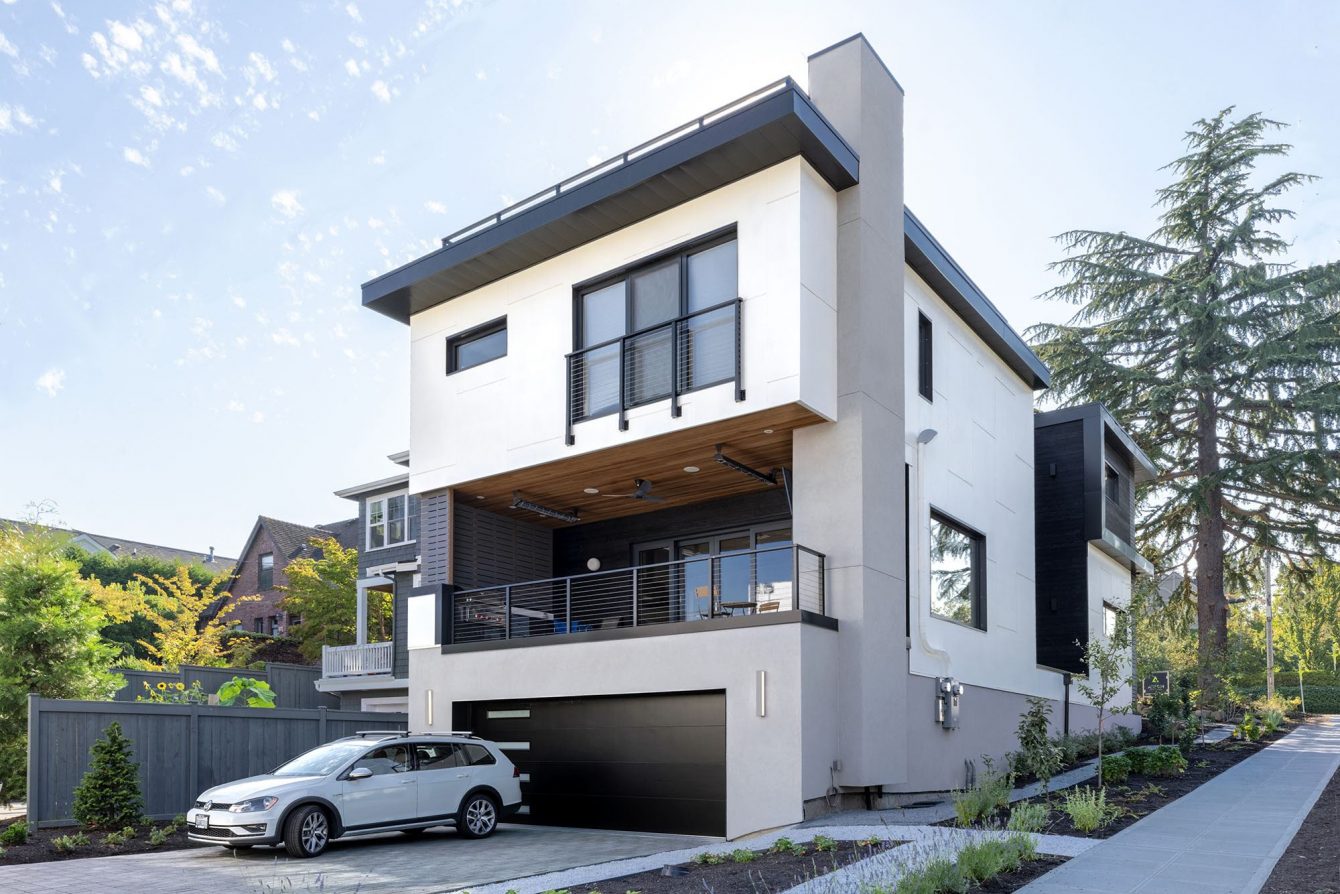
Metal siding performs very well in wet climates because it does not absorb moisture. Coastal considerations include corrosion resistance, proper coatings, and fastener detailing. High-quality steel or aluminum systems can last several decades with minimal maintenance when designed correctly.
What Causes Siding to Fail Early in Rainy Climates?
Material choice alone does not determine lifespan. In Seattle, premature siding failure is usually caused by moisture management issues, not surface wear.
Common causes include:
-
Missing or improperly installed flashing
-
No rainscreen or drainage gap
-
Failed caulking around penetrations
-
Trapped moisture behind siding
-
Poor integration with windows and doors
-
Deferred maintenance
In many cases, siding looks acceptable from the outside while rot is developing underneath.
The Role of Rainscreens and Drainage Systems
In wet coastal environments, siding should not be expected to be fully waterproof. Instead, modern best practice assumes some water will get behind the siding and focuses on managing it safely.
A rainscreen system creates a small air gap between the siding and the wall assembly, allowing moisture to drain and dry. In Seattle, rainscreens significantly extend siding lifespan by:
-
Preventing trapped moisture
-
Reducing rot risk
-
Improving paint longevity
-
Enhancing overall wall durability
Many siding failures in older homes are linked to installations done before rainscreen systems were widely adopted.
Maintenance and Its Impact on Siding Longevity
Maintenance expectations vary widely by material, but neglect is one of the fastest ways to shorten siding life in a rainy climate.
Typical maintenance considerations include:
-
Cleaning to remove mildew and debris
-
Repainting or re-staining at recommended intervals
-
Inspecting caulking and sealants
-
Addressing minor damage promptly
Low-maintenance materials like fiber cement and metal generally outlast high-maintenance options in Seattle simply because they are more forgiving when maintenance is delayed.
How Home Design Affects Siding Lifespan
Certain architectural features can either protect or stress siding in a coastal climate.
Features that extend siding life:
-
Deep roof overhangs
-
Covered entries
-
Properly sloped surfaces
-
Good sun exposure
Features that shorten siding life:
-
Flat or minimal overhangs
-
Complex wall geometry
-
North-facing shaded walls
-
Poor drainage at grade
Understanding how water moves around your home is just as important as choosing the right siding material.
Choosing Siding for Long-Term Performance in Seattle
For homeowners prioritizing longevity in a rainy coastal environment, the most reliable options typically include:
-
Fiber cement siding with a rainscreen
-
High-quality metal siding systems
-
Engineered materials designed for wet climates
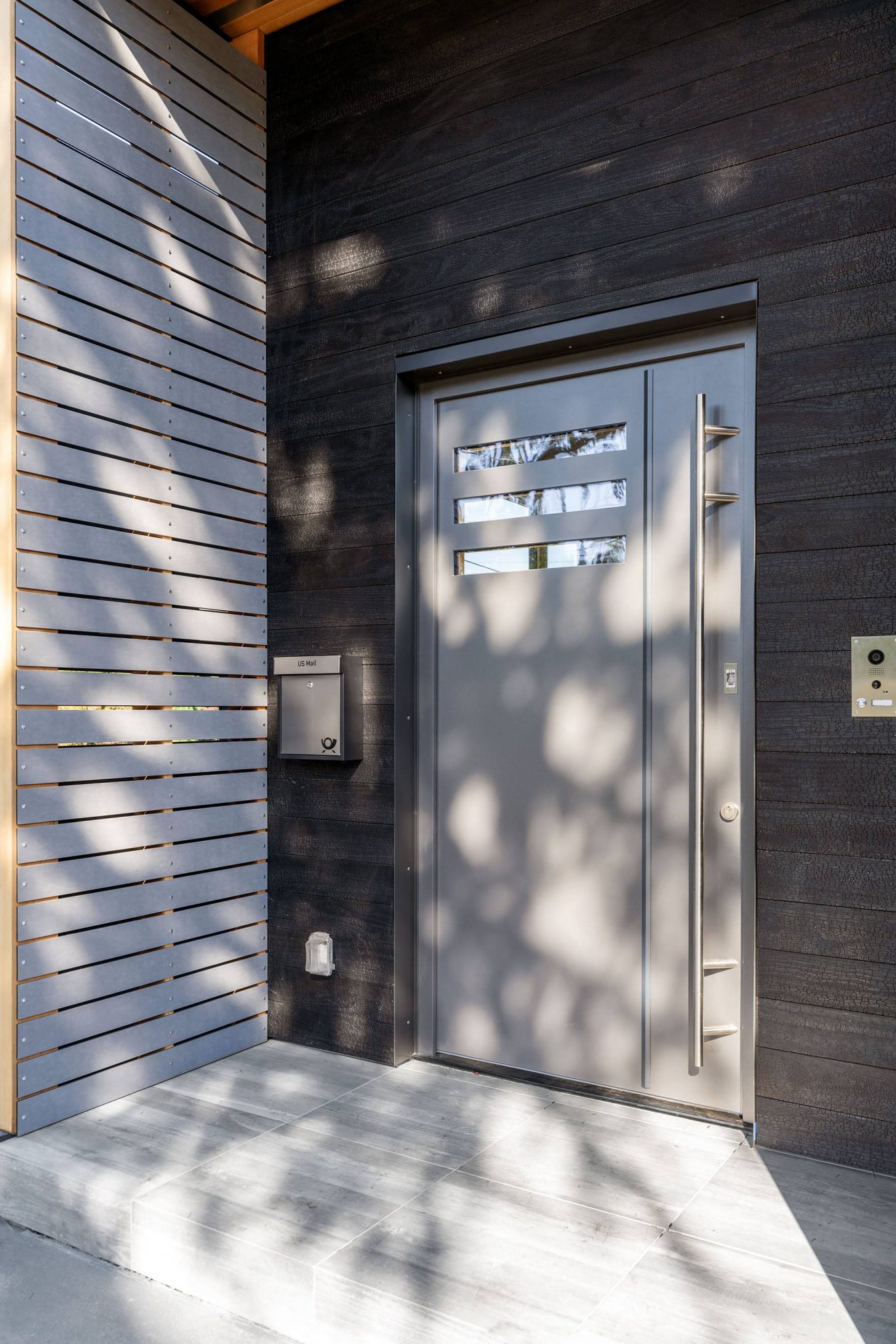
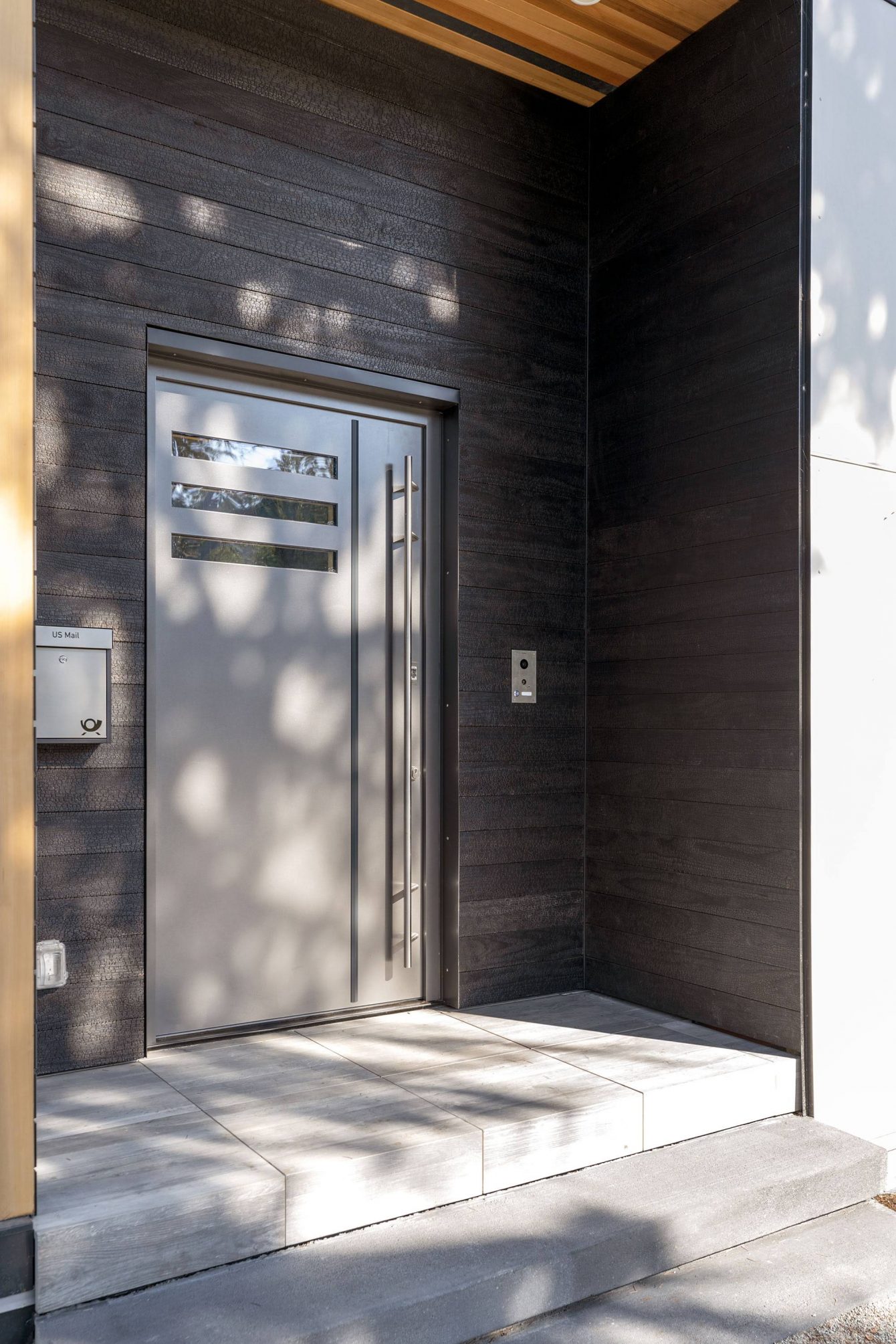
Natural wood siding can still be a viable choice, but it requires a commitment to maintenance and careful detailing to perform well over time.
Planning for Durability, Not Just Appearance
Siding in a coastal climate is part of a larger exterior system that includes:
-
Weather-resistive barriers
-
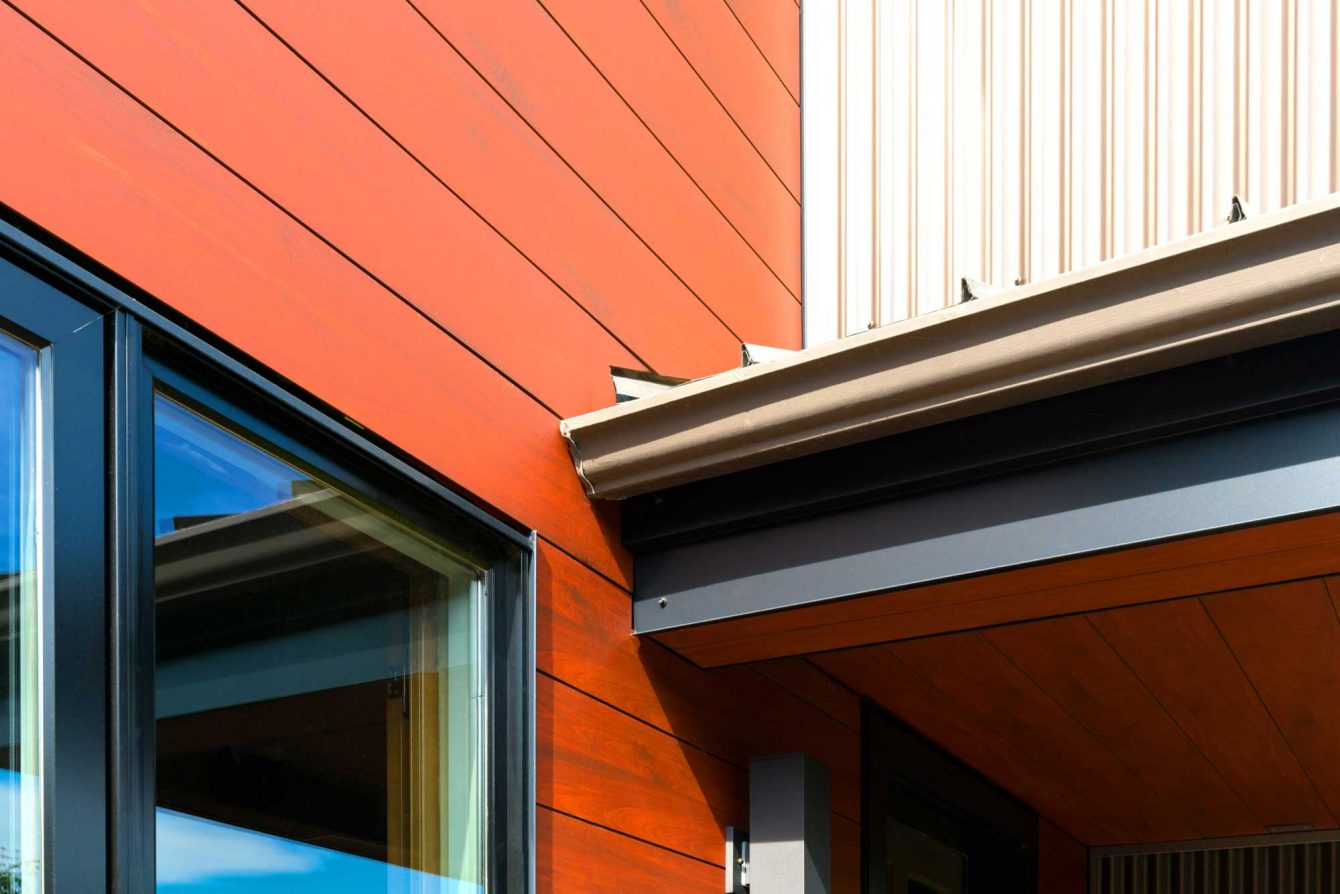
Flashing and trim details
-
Window and door integration
-
Ventilation and drainage
When these elements work together, siding reaches or exceeds its expected lifespan. When they do not, even premium materials can fail early.
Final Thoughts
In rainy coastal environments like Seattle, siding longevity depends on more than manufacturer warranties or material claims. Climate-appropriate selection, thoughtful design, professional installation, and realistic maintenance expectations all play critical roles.
Choosing siding with proven performance in wet conditions—and installing it as part of a well-designed exterior envelope—helps ensure your home remains protected for decades, not just years.
For additional guidance, explore our Project Success Plan and our Step-by-Step Guide to Exterior Home Design and Construction, which outline best practices for planning, installing, and maintaining durable exterior systems.