Siding Maintenance in Rainy Climates
A Seattle Homeowner’s Guide to Protecting Exterior Materials and Extending Lifespan
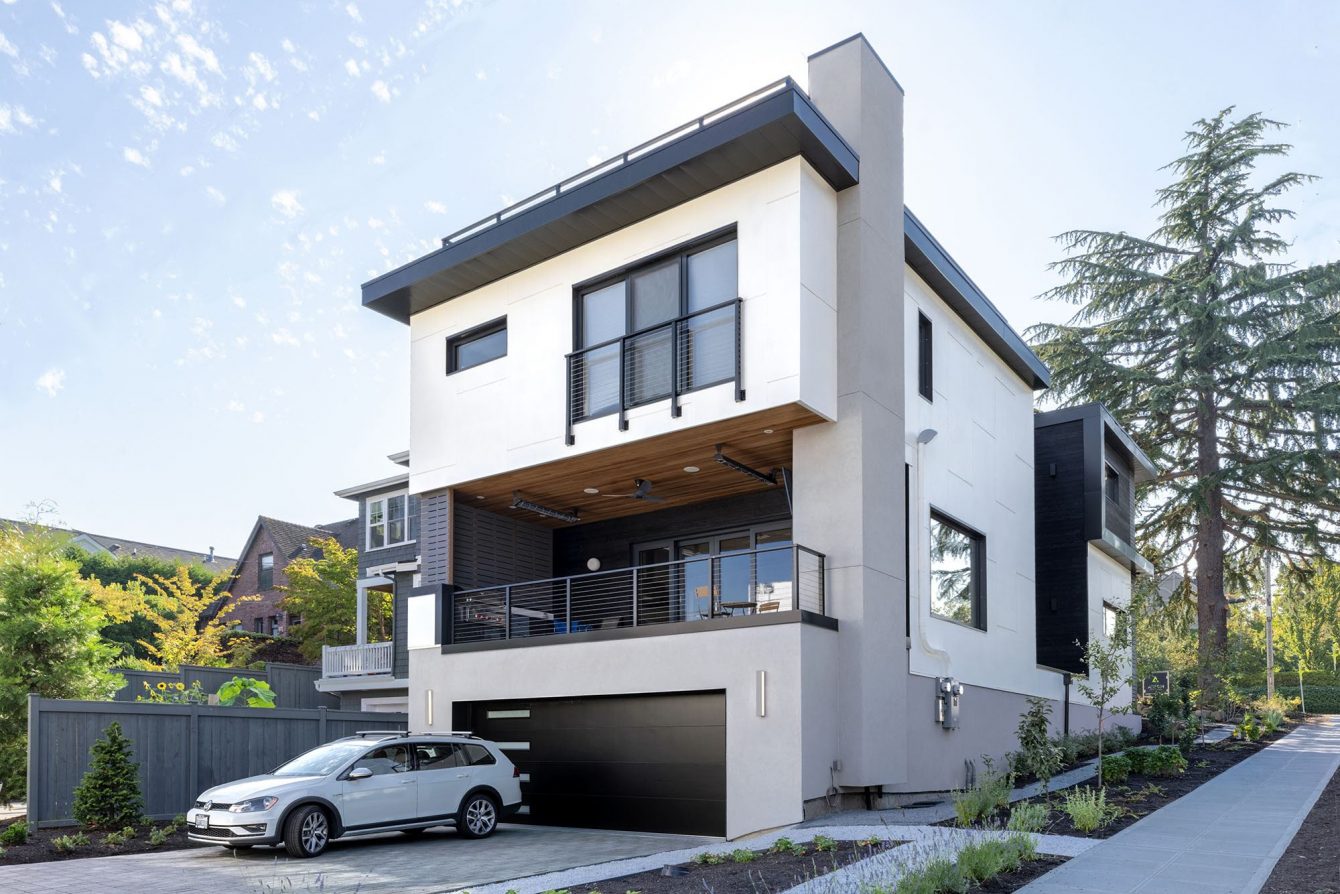
In Seattle and other rainy coastal environments, siding maintenance is not just about appearance—it is about moisture control, durability, and protecting the structure beneath your home’s exterior. Frequent rainfall, limited drying time, and cool temperatures place ongoing stress on siding materials, making regular maintenance essential for long-term performance.
This guide explains how siding maintenance differs by material, why maintenance matters more in wet climates, and how Seattle homeowners can extend the life of their siding through proactive care.
 Why Siding Maintenance Matters More in Seattle
Seattle’s climate creates ideal conditions for moisture-related problems. Even durable siding materials are exposed to:
-
Prolonged surface dampness
-
Wind-driven rain
-
Shaded elevations that dry slowly
-
Organic growth such as moss, algae, and mildew
Without routine maintenance, moisture can penetrate behind siding, leading to rot, mold, paint failure, and hidden structural damage. Regular inspection and cleaning help identify small issues before they become costly repairs.
General Siding Maintenance Best Practices
Regardless of material, all siding in rainy climates benefits from:
-
Annual visual inspections
-
Gentle cleaning to remove dirt and organic growth
-
Monitoring caulking and sealant joints
-
Ensuring water drains away from the home
-
Keeping vegetation trimmed away from siding
Avoid aggressive pressure washing, which can force water behind siding and damage finishes.
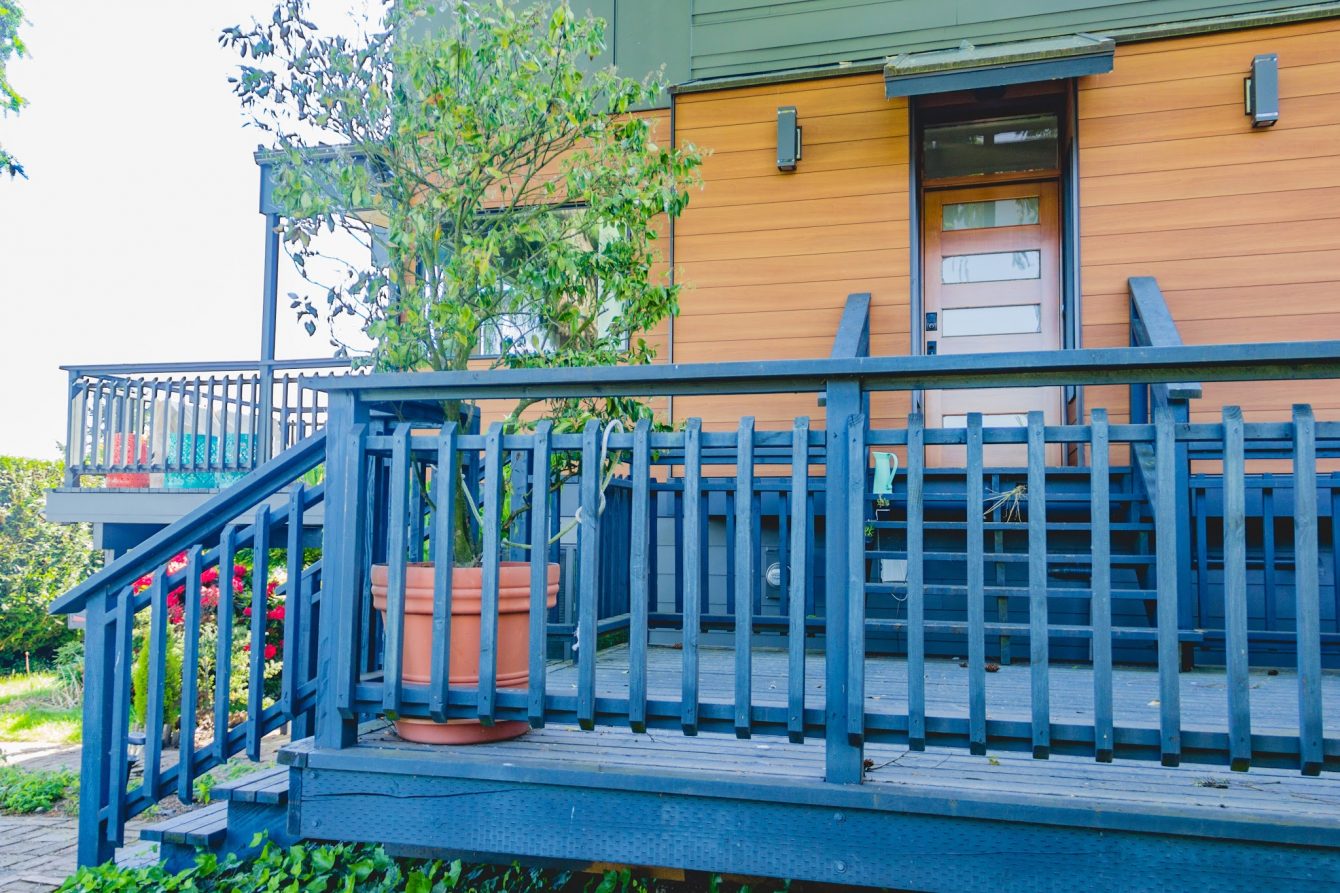
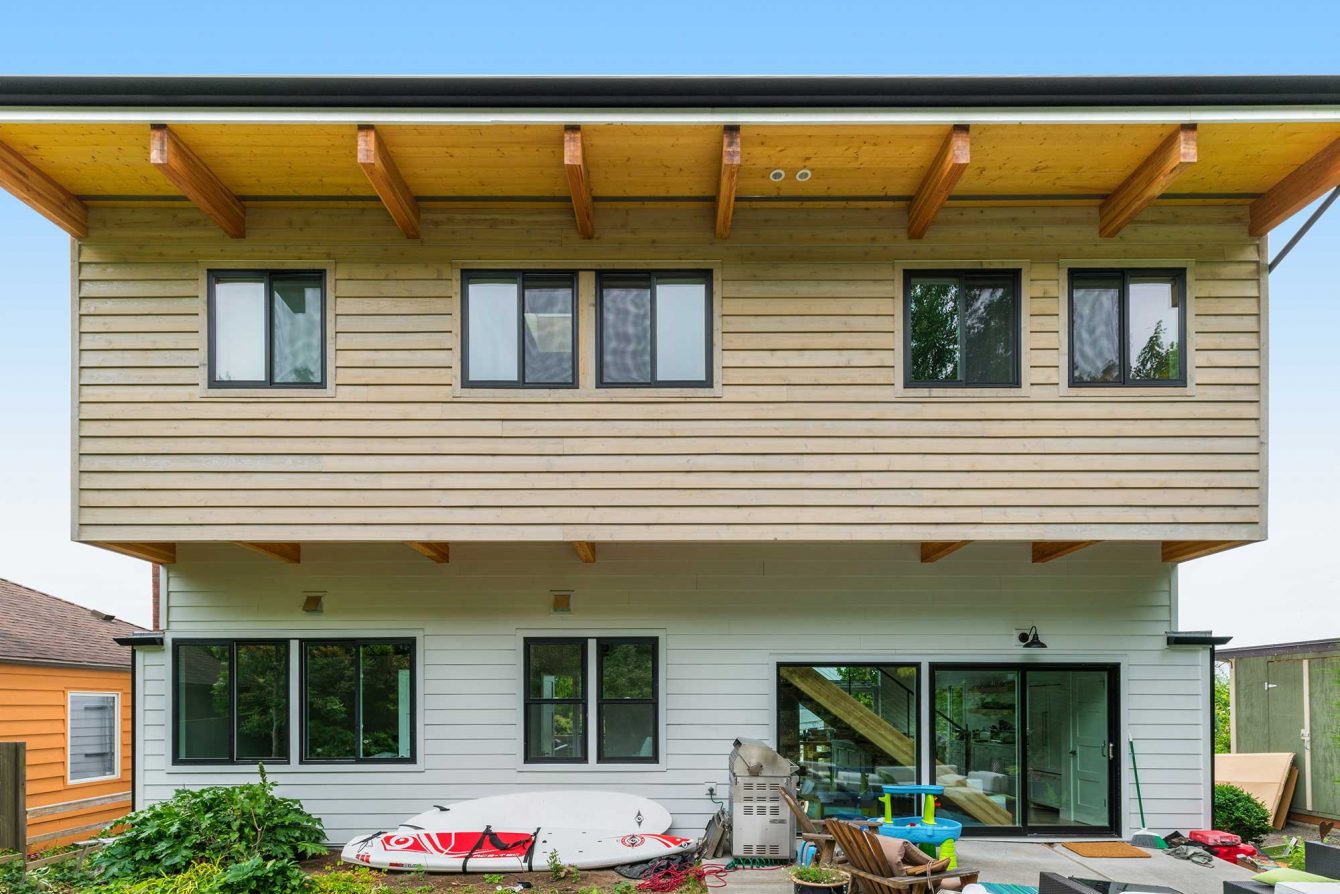
Wood Siding (Hardwood and Softwood)
Wood siding offers warmth and character but requires the most maintenance in wet climates.
Maintenance considerations:
-
Apply stain or paint every 3–5 years
-
Inspect regularly for rot, checking, or insect activity
-
Address damaged boards promptly
-
Clean with mild detergent and soft brushes
In Seattle, wood siding performance depends heavily on consistent upkeep and proper moisture detailing. Neglected wood siding is one of the most common sources of exterior failure in older homes.
Fiber Cement Siding
Fiber cement siding is widely used in the Pacific Northwest due to its durability and resistance to moisture.
Maintenance considerations:
-
Clean annually with mild detergent and water
-
Inspect for cracks or chipped edges
-
Repaint approximately every 10–15 years
-
Avoid abrasive cleaners
While fiber cement requires less maintenance than wood, finish failure or ignored damage can still allow moisture intrusion if left unaddressed.
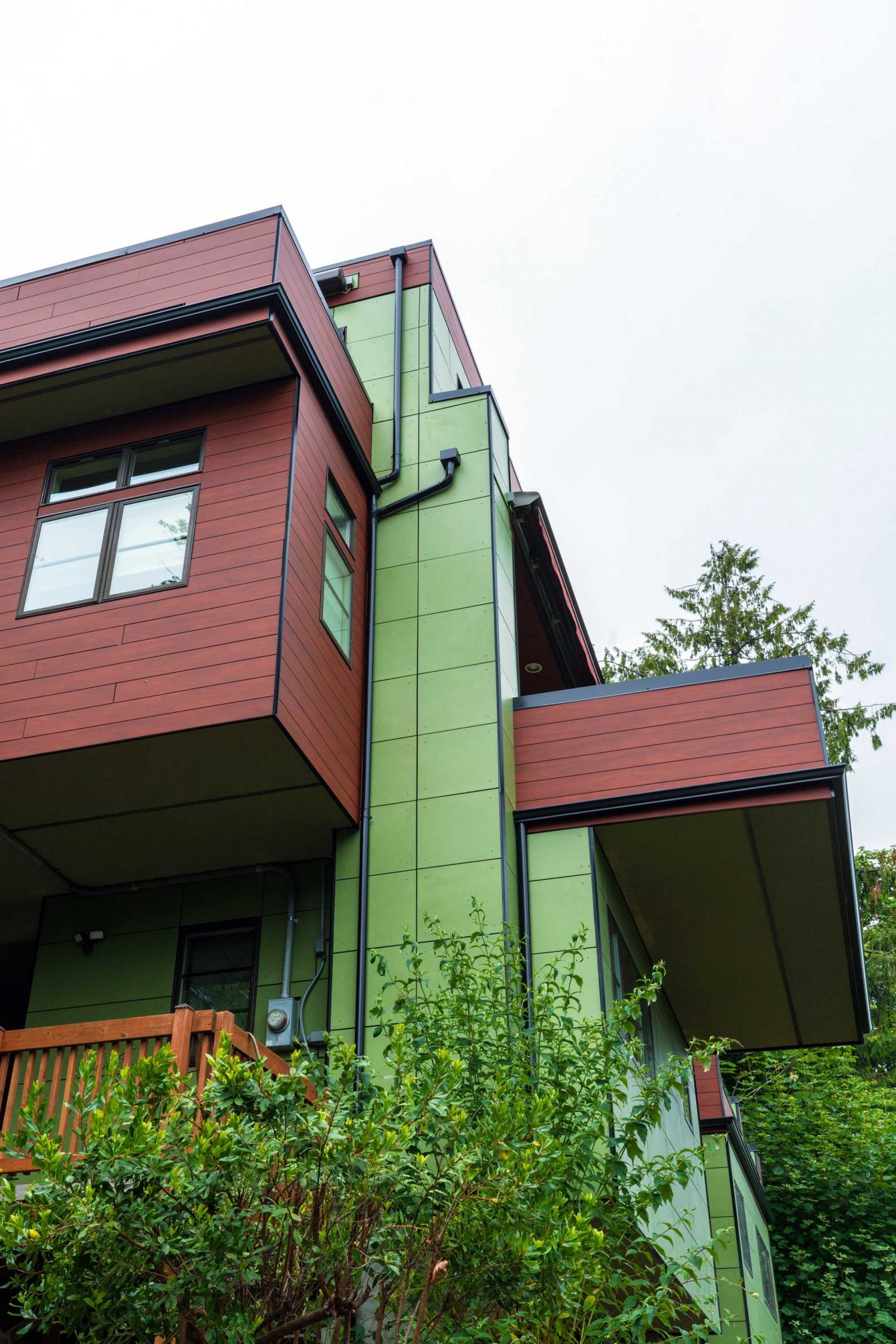
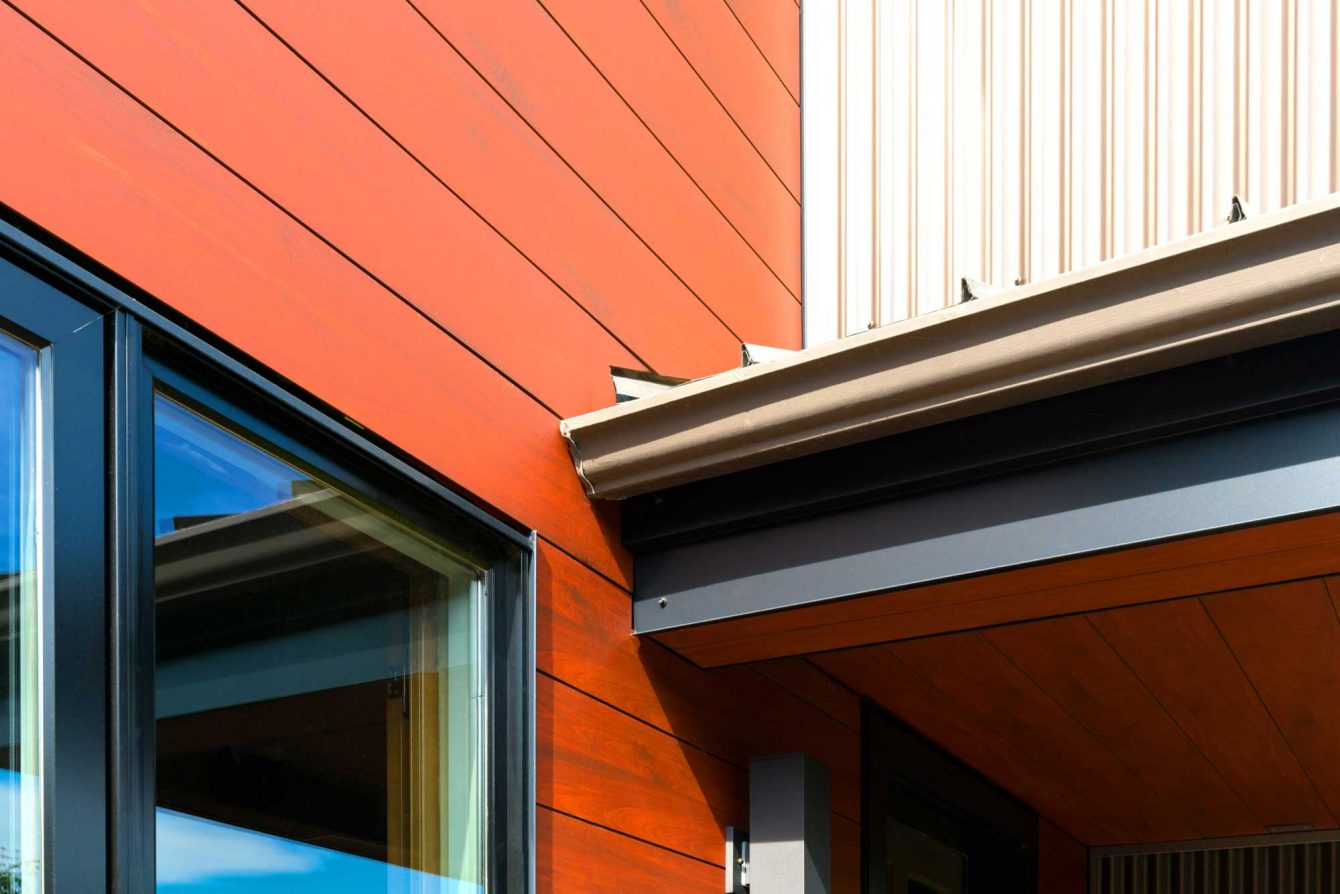
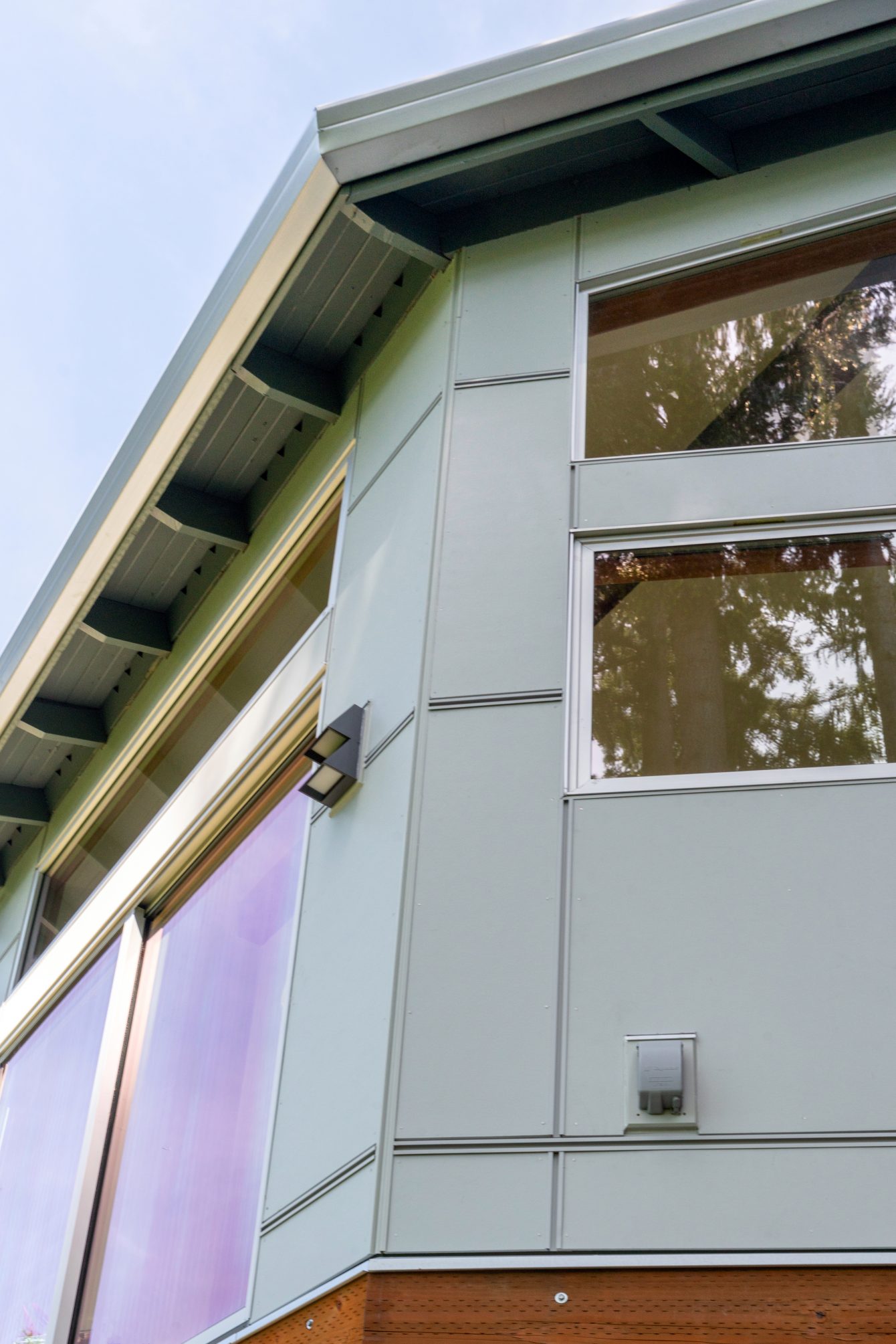
Engineered and Phenolic Siding
Engineered and phenolic siding products are designed for improved moisture resistance and long-term performance.
Maintenance considerations:
-
Regular cleaning to remove surface debris
-
Inspection of seams, edges, and fasteners
-
Prompt repair of any damaged panels
These materials generally perform well in Seattle when installed with proper drainage systems and maintained according to manufacturer guidelines.
 Metal Siding
Metal siding performs exceptionally well in wet climates when properly coated and detailed.
Maintenance considerations:
-
Annual cleaning to remove grime and pollutants
-
Inspect for corrosion at fasteners and seams
-
Touch up coatings as needed
High-quality metal siding can last decades with minimal maintenance, making it a strong option for coastal environments.
Stone and Masonry Veneers
Stone siding offers excellent durability but still requires periodic attention.
Maintenance considerations:
-
Gentle cleaning to remove dirt and staining
-
Inspection for loose stones or mortar issues
-
Avoid high-pressure washing
Proper flashing and drainage are critical to prevent moisture from becoming trapped behind masonry systems.
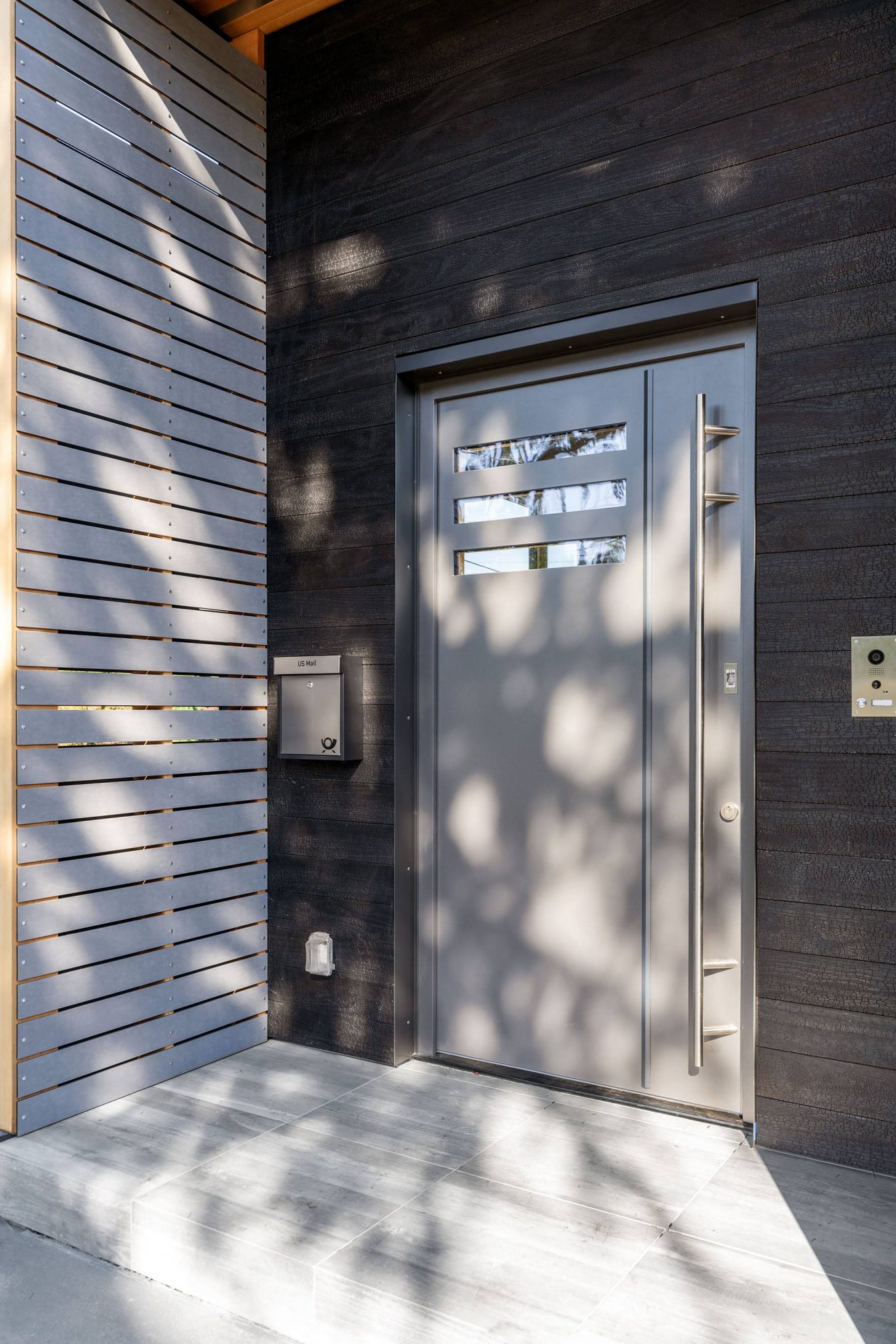
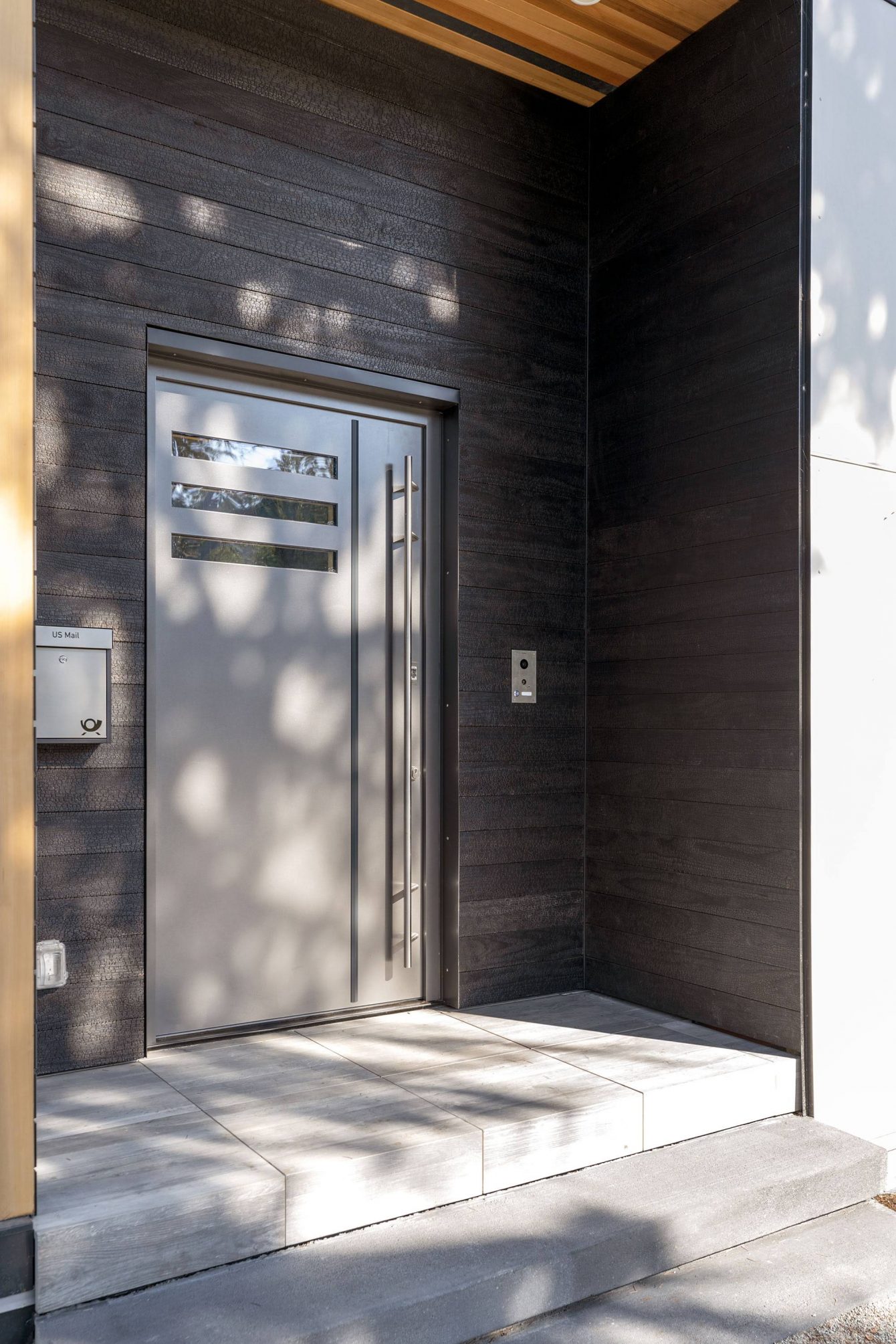
Shou Sugi Ban (Charred Wood) Siding
Shou Sugi Ban siding is naturally resistant to insects and rot, but it is not maintenance-free—especially in damp climates.
Maintenance considerations:
-
Gentle annual cleaning
-
Inspection for cracking or surface wear
-
Reapplication of protective oils or sealants as needed
In Seattle, maintaining the protective finish helps preserve both appearance and moisture resistance.
How Maintenance Extends Siding Lifespan
In rainy climates, maintenance directly impacts how long siding lasts. Homes with routine inspections and cleaning often see:
-
Fewer moisture-related repairs
-
Longer paint and finish life
-
Reduced risk of rot behind siding
-
Better overall exterior performance
Skipping maintenance allows minor issues to escalate, often leading to premature replacement.
When Maintenance Is No Longer Enough
Maintenance cannot correct:
-
Widespread rot or warping
-
Structural damage behind siding
-
Failed weather-resistive barriers
-
Materials beyond their service life
At that point, replacement becomes the safer and more cost-effective option. Learn more about how to recognize the top signs it’s time to replace your siding here.
Final Thoughts
In Seattle’s wet climate, siding maintenance is a critical part of home ownership. Understanding the needs of your specific siding material—and addressing issues early—helps protect your home from moisture damage and extends the life of your exterior investment.
When maintenance is approached as part of a long-term exterior strategy, siding performs better, lasts longer, and protects what matters most beneath the surface.