Top Signs It’s Time to Replace Your Siding
A Seattle Homeowner’s Guide to Identifying Failure, Preventing Damage, and Planning Replacement
Siding is your home’s first line of defense against Seattle’s rain, moisture, and seasonal weather shifts. While many siding issues start small, delaying replacement in a wet coastal climate can allow hidden damage to spread beneath the surface—leading to rot, mold, and costly structural repairs.
This guide outlines the most common signs that siding replacement may be necessary in Seattle homes, explains why these issues occur, and helps homeowners understand when repairs are no longer enough.
Why Early Siding Failure Is Common in Seattle
Seattle’s climate places continuous stress on exterior materials. Frequent rain, limited drying time, shaded elevations, and older construction methods mean siding often fails from moisture behind the surface, not from visible wear alone.
In many cases, siding problems signal deeper issues with:
-
Water intrusion
-
Trapped moisture
-
Failed flashing or weather barriers
-
Aging materials beyond their service life
Recognizing warning signs early helps prevent damage from spreading into framing, insulation, and interior finishes.
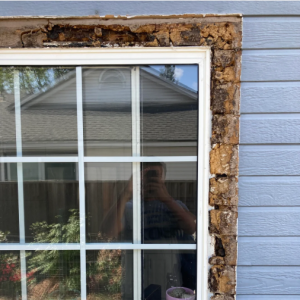
1. Warping, Softness, or Rotting Boards
Warping or rot is one of the clearest indicators that siding has reached the end of its functional life—especially in wood-based materials.
Common signs include:
-
Boards pulling away from the wall
-
Soft or spongy areas when pressed
-
Visible decay near ground level or rooflines
-
Paint bubbling or cracking due to moisture beneath the surface
In Seattle, these issues often indicate long-term moisture exposure, not a surface-level problem. While isolated boards can sometimes be repaired, widespread warping or rot usually means water has compromised the wall assembly behind the siding.
2. Persistent Mold or Mildew Growth
Mold and mildew are common on siding in damp climates, but repeated or aggressive growth can signal deeper moisture problems.
Warning signs include:
-
Black or green staining that returns quickly after cleaning
-
Growth concentrated around seams or penetrations
-
Mold appearing on interior walls corresponding to exterior problem areas
While surface mold alone does not always require full replacement, persistent growth may indicate trapped moisture behind the siding—often caused by failed weather-resistive barriers or missing drainage gaps.
3. Cracking, Splitting, or Material Breakdown
Over time, siding materials can lose structural integrity due to moisture cycling, temperature changes, and age.
Examples include:
-
Cracked fiber cement boards
-
Splitting or checking in wood siding
-
Brittle or broken vinyl panels
-
Corrosion or fastener failure in metal siding
When cracking becomes widespread or affects multiple elevations, replacement is often more effective than repeated patching—especially in Seattle’s climate, where water infiltration accelerates deterioration.
4. Fading, Peeling Paint, or Finish Failure
While cosmetic wear alone doesn’t always mean siding needs replacement, finish failure combined with moisture exposure is a common warning sign.
Indicators include:
-
Paint peeling prematurely
-
Uneven fading on multiple sides of the home
-
Caulk joints failing repeatedly
-
Stains bleeding through new paint
In wet climates, failing finishes often allow moisture to penetrate siding materials, particularly wood and engineered products. When repainting no longer solves the problem, replacement may be the safer long-term option.
5. Rising Energy Bills or Drafts Near Exterior Walls
Siding plays a role in your home’s overall thermal performance. When siding and the underlying wall system deteriorate, energy efficiency can suffer.
Homeowners may notice:
-
Drafts near exterior walls
-
Cold or damp interior surfaces
-
Higher heating costs during winter months
These symptoms can indicate compromised insulation, moisture intrusion, or aging exterior assemblies that are no longer performing as intended.
Repair vs Replacement: How to Know the Difference
Not all siding issues require full replacement. In Seattle homes, replacement is more likely when:
-
Damage is widespread across multiple elevations
-
Moisture intrusion has reached the sheathing or framing
-
The siding has exceeded its expected lifespan
-
Repairs have been repeated without lasting success
A professional exterior evaluation can determine whether repairs are sufficient or if replacement is the more cost-effective and protective option.
The Importance of Moisture Management in Replacement
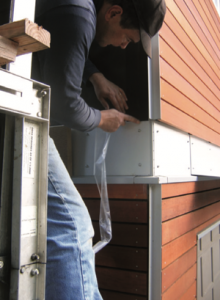
Projects
When siding is replaced in Seattle, modern best practices focus on managing water—not just covering it.
Successful replacement projects typically include:
-
New weather-resistive barriers (WRBs)
-
Proper flashing at windows, doors, and penetrations
-
Rainscreen or drainage systems
-
Durable trim and sealant details
These elements are critical to ensuring new siding lasts as long as intended in a rainy coastal climate.
Planning Ahead Protects Your Home
Replacing siding before severe failure occurs can:
-
Prevent structural repairs
-
Improve indoor comfort
-
Increase resale value
-
Reduce long-term maintenance costs
Waiting until damage becomes obvious often results in more invasive—and expensive—repairs beneath the surface.
Final Thoughts
In Seattle’s wet climate, siding problems rarely improve on their own. Visible warning signs often indicate moisture-related issues developing behind the exterior finish. Understanding when siding has reached the end of its service life helps homeowners protect their investment and plan proactively.
When siding replacement is approached as part of a complete exterior system—rather than a cosmetic upgrade—it provides lasting protection and peace of mind in even the most demanding weather conditions. Learn more about the best siding options for the Seattle climate here.
Return to Exterior Remodeling Resources